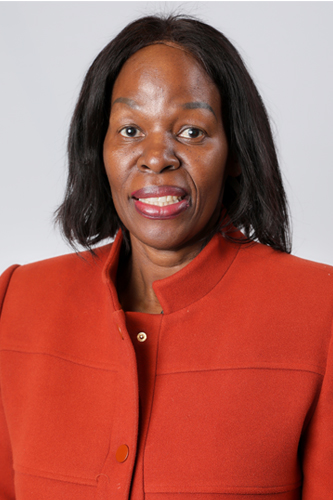
For the audio clip of the Parliament Spokesperson, Mr Moloto Mothapo, on this media release please click on the following link: https://iono.fm/e/1512473
Parliament, Saturday, 14 December 2024 - Parliament is delighted with its progress during the first six months of operation after the National and Provincial Elections. Since the establishment of the 7th democratic Parliament, the administration has hit the ground running, demonstrating a strong commitment to its constitutional mandate and the people it serves.
In this short period, Parliament has successfully convened multiple sittings, engaged in debates, and passed several key pieces of legislation. The various parliamentary committees have been particularly active, conducting oversight visits, holding public hearings, and scrutinizing government actions with diligence.
Public engagement has taken centre stage, with Parliament implementing new initiatives to involve citizens in the legislative process. The institution has leveraged technology to enhance transparency and accessibility, streaming debates and committee meetings online while ensuring that the limited committee rooms and plenary venues are optimally utilised to accommodate members of the public.
Parliament’s Presiding Officers, led by the Speaker of the National Assembly (NA), Ms. Thoko Didiza, and the Chairperson of the National Council of Provinces (NCOP), Ms. Refilwe Mtshweni-Tsipane, expressed satisfaction with the milestones achieved by the 7th Parliament so far.
The establishment of the Joint Rules Committee was a critical step, paving the way for separate Rules Committees in both Houses. These pre-eminent committees are responsible for developing the procedures and policies that govern the operations of the NA and the NCOP.
In the NA, 34 oversight committees were established, along with the election of chairpersons and the designation of members to serve in these structures. These committees were configured to align with the cabinet structure, ensuring dedicated oversight of each government department and its entities. In the NCOP, 10 Select Committees were constituted and appropriately clustered to prioritise the interests of provinces in the national sphere.
These parliamentary committees serve as the “engine room” of Parliament, overseeing the performance and accountability of various government departments.
A priority has been placed on building the technical and resource capacity of committees to strengthen their ability to scrutinise the actions of government departments and entities. These committees have already made significant strides, successfully passing all departmental budgets, reviving key Bills that had lapsed at the end of the Sixth Parliament, and conducting effective oversight.
Plenaries
Between July and December, the NCOP held thirty-nine (39) hybrid and virtual sittings, serving as important platforms for fulfilling its constitutional mandate. These sittings focused on critical areas such as budget votes, statutory appointments, the passage of legislation, and debates on pressing national issues. They also included rigorous question-and-answer sessions with members of the Executive, ensuring accountability and transparency in governance.
The NA convened a total of 78 plenaries, including joint sittings and mini-plenaries. These sessions were not mere procedural formalities but essential tools of oversight and lawmaking, aimed at addressing the needs of the nation. As part of these plenaries, the NA engaged in 63 debates, Member statements, and Ministerial statements and adopted several House resolutions. Each session represented a step toward strengthening democracy, holding the government accountable, and ensuring that the voice of the people is reflected in legislative and governance processes.
These sittings were designed in a manner that fulfils Parliament’s commitment to its role as the custodian of democracy, using every opportunity to serve the people with diligence, accountability, and effectiveness.
Committees and Oversight
Parliamentary committees have held 468 meetings since the start of the 7th democratic Parliament through the end of October. During this period, approximately 24 oversight visits were conducted to various service delivery points across the country.
In this 7th Parliament, the NA has strategically reorganised its programme into dedicated weekly rotations for committee oversight, constituency engagement, and plenary sittings. This reorganisation represents a significant step in enhancing Parliament’s constitutional mandate and better serving the public interest. By adopting this structured approach, Members of Parliament can focus fully on each core function without the scheduling conflicts that previously hindered their effectiveness.
Oversight weeks allow committees to conduct in-depth investigations and hold the executive accountable. Constituency weeks facilitate meaningful, direct engagement with communities, ensuring that public concerns are brought to the forefront. Plenary weeks, informed by oversight findings and constituency feedback, prioritise effective lawmaking. This systematic rotation improves the quality of parliamentary work, strengthens democracy through enhanced accountability, fosters more effective public engagement, and promotes responsive legislation. Additionally, the streamlined approach is designed to accelerate service delivery by ensuring that parliamentary oversight translates into tangible improvements in public services and governance.
Provincial Week
From 16 to 20 September, Permanent delegates to the NCOP undertook the first Provincial Week Programme of the new term of Parliament, an essential initiative aligned with the NCOP's constitutional role as the voice of provinces in the national sphere of government.
This year, the focus was on the growing crisis of delayed, abandoned, or incomplete government infrastructure projects, including schools, health facilities, housing, roads, and water projects, which have cost taxpayers billions of rands and hindered service delivery. During the provincial week, delegations conducted oversight visits to these sites across the nine provinces, gathering critical observations and formulating actionable recommendations. This effort highlights the NCOP’s commitment to addressing issues that directly impact provinces and communities, ensuring that challenges exposed during the visits are resolved without further delays. Through this programme, the NCOP continues to strengthen accountability and advocate for the effective delivery of services to the people.
Legislation
Lawmaking is one of Parliament’s most essential responsibilities, serving as a cornerstone for addressing the nation’s challenges and improving the lives of South Africans. Through legislation, Parliament provides critical tools to confront the triple challenges of unemployment, poverty, and inequality. Laws enacted by Parliament are not mere policy instruments; they shape the framework for service delivery, economic growth, and social justice, reflecting the institution’s commitment to its constitutional mandate.
Since the establishment of the 7th Parliament, significant progress has been made in lawmaking. Parliament revived 20 Bills that could not be finalised during the 6th term, ensuring legislative continuity and accountability. Of these, 11 Bills have already been passed by Parliament and are awaiting assent from the President, marking a strong start to the new term.
Currently, Parliament is processing 21 Bills, with 17 before the oversight committees of the NA and four before the oversight committees of the NCOP. This legislative work reflects Parliament’s determination to address pressing national priorities, ensuring that the laws it enacts respond to the needs of the people and contribute meaningfully to building a more equitable and prosperous society.
10th Successive Clean Audit Report
Parliament has achieved its 10th consecutive clean audit report, which is an important milestone that underscores its unwavering commitment to sound financial management and good governance. This achievement reflects the institution’s ability to uphold fiscal accountability even amidst a constrained economic environment.
Despite budgetary pressures, Parliament continues to fulfil its constitutional mandate. National Treasury’s amendments to Parliament’s baseline for compensation of employees (COE) have reduced the financial shortfall by R190 million for 2024/25, R264 million for 2025/26, and R348 million for 2026/27. However, these adjustments remain insufficient, and discussions are ongoing to establish a sustainable funding model that supports Parliament’s constitutional functions while remaining mindful of the country’s fiscal challenges.
Achieving a 10th clean audit further reinforces public confidence in Parliament’s governance and sets a benchmark of accountability and fiscal discipline for the government departments and entities it oversees.
The New Year Ahead
Parliament’s official business for the New Year will begin with the State of the Nation Address (SONA), scheduled for Thursday, 6 February, at 7 pm at the Cape Town City Hall. The two-day debates on the President’s Address will take place at a temporary dome structure to be erected at the Nieuwmeester Parking. The debates are scheduled for Tuesday, 11 February, and Wednesday, 12 February, with the President’s reply set for Thursday, 13 February. Finance Minister Enoch Godongwana is set to deliver the Budget Speech on Wednesday, 19 February.
Hosting of the Speakers of G20 Nations
The Parliament of the Republic of South Africa is proud to announce that, in alignment with South Africa's rotational hosting of the G20 in 2025, it will host the Speakers' Summits (P20) of the G20 national parliaments. The P20 Summits play a crucial role in bringing a parliamentary perspective to global governance by raising awareness, building political support for international commitments, and ensuring their effective implementation at the national level. These summits also foster inter-parliamentary cooperation, strengthen engagement between governments, parliaments, and stakeholders, and advance the implementation of the 2030 Agenda for Sustainable Development.
As a longstanding participant in P20 summits, the Parliament of the Republic of South Africa looks forward to hosting this prestigious event, advancing parliamentary diplomacy, strengthening democratic governance, and fostering global cooperation.
Christmas and Holiday Season Wishes
Guided by its constitutional mandate, Parliament has demonstrated resilience, adaptability, and an unwavering commitment to serving the people of South Africa. Parliament remains steadfast in its mission to provide robust oversight and enact transformative laws that promote progress and equity for all citizens.
As the festive season approaches, Parliament extends its warmest wishes to all South Africans. May this Christmas and holiday season bring peace, joy, and cherished moments with loved ones.
May the New Year inspire us to work together to advance the values of democracy and deliver on the promise of a better future for all.
ISSUED BY PARLIAMENT OF THE REPUBLIC OF SOUTH AFRICA
Enquiries: Moloto Mothapo
 Arrange a tour