


Parliament, Wednesday, 19 February 2025 – The Portfolio Committee on Women, Youth and Persons with Disabilities met yesterday with the departments of Basic Education and of Women, Youth and Persons with Disabilities, as well as provincial education departments of Northern Cape, Free State, North West, KwaZulu-Natal and Limpopo for a briefing on the implementation of the Sanitary Dignity Programme (SDP), learner pregnancy and the inclusion of children with disabilities in the education system.
In her opening remarks, the portfolio committee Chairperson, Ms Liezl van der Merwe, said: “Our expanded oversight focus shifts our attention this morning to the Department of Basic Education and some of the key questions we want to probe are: how inclusive is the inclusive education system, how successful is the sanitary dignity programme, and how can we find realistic solutions to our national learner pregnancy crisis?”
The various national and provincial delegations provided detailed updates on implementation and challenges in these focus areas. The committee commended the comprehensive nature of the reports, stating that the presentations highlighted both the progress made and the important gaps that still exist in ensuring quality, inclusive education and support for all learners.
Among other concerns during the engagement, the committee raised the need for improved coordination and collaboration between government departments to address the exclusion of learners with disabilities from the education system. The committee is of the view that the lack of coordination between implementing departments is a persistent challenge to fully realising an inclusive education system.
The committee also highlighted the uneven implementation of the SDP across provinces, noting that while some provinces have reported good progress, others continue to face ongoing challenges in the procurement and distribution of sanitary products. Members of the committee also noted with concern the lack in the programme’s value change of equitable participation for women, youth and persons with disabilities.
The committee also stressed the need for enhanced monitoring, evaluation and consequence management to ensure greater consistency and inclusivity in the implementation of SDP.
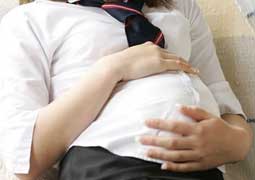
Furthermore, the committee pointed to gaps in comprehensive sexuality education in schools and the lack of a holistic, multisectoral approach to preventing and managing learner pregnancy. The committee highlighted the alarmingly high rates of teenage and unplanned pregnancies, with over 65% of pregnancies being unplanned.
Committee members also emphasised the urgent need to address this national crisis through coordinated interventions that go beyond the education sector and involve a range of stakeholders.
Ms van der Merwe said, “While we have seen some positive developments, it is clear that much more needs to be done to protect the most vulnerable. This engagement has highlighted the critical gaps that still exist, and we are committed to working closely with the relevant departments to find sustainable solutions.”
The committee has indicated that it will convene a public hearing in the near future dedicated to further interrogating these issues, and to engage with a wider range of stakeholders, such as civil society, academia and the National Treasury to find more effective interventions.
ISSUED BY THE PARLIAMENTARY COMMUNICATION SERVICES ON BEHALF OF THE CHAIRPERSON OF THE PORTFOLIO COMMITTEE ON WOMEN YOUTH AND PERSONS WITH DISABILITIES, MS LIEZL VAN DER MERWE
For media inquiries or interviews with the Chairperson, please contact the committee’s Media Officer:
Name: Yoliswa Landu (Ms)
Cell: 081 4974694
E-mail: ylandu@parliament.gov.za
 Arrange a tour