


Parliament, Saturday, 27 June 2026 – The Portfolio Committee on International Relations and Cooperation, in collaboration with the International Organisation for Migration (IOM) and the Wits School of Governance, hosted a successful Symposium on Migration and Social Cohesion yesterday at the University of the Witwatersrand.
The symposium brought together Members of Parliament, representatives of government, members of the diplomatic corps, international organisations, academia, civil society formations, migrant community representatives and community organisations to reflect on migration, social cohesion, the rule of law and South Africa’s obligations within the African continent and the broader international community.
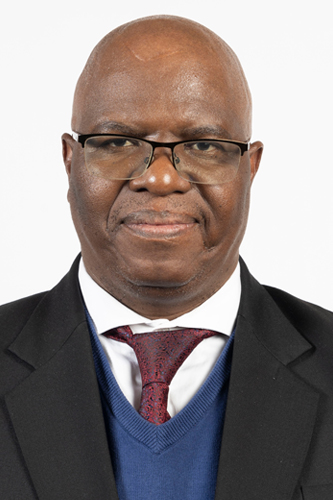
The Chairperson of the committee, Mr Supra Mahumapelo, said the engagement was convened to create a constructive platform for dialogue at a time when migration-related concerns require evidence-based policy responses, responsible public communication and a firm commitment to human dignity, peace and social stability.
Delegates made substantive contributions on the complex drivers of migration, including economic pressures, conflict, political instability, climate-related displacement, regional labour movements and the historical ties that continue to connect South Africa with the continent.
A presentation by Mr Naeem Jeena of the Mapungubwe Institute provided data and analysis on migration patterns and the integration of migrants in poor communities.
Members of the diplomatic corps from Nigeria, Zambia, the Democratic Republic of Congo, Mozambique and Ethiopia emphasised the importance of rejecting stigmatisation, discrimination and violence against migrants. They called for lawful and orderly migration systems, stronger regional cooperation, protection of migrants from exploitation, and approaches that advance Pan-African solidarity while acknowledging the pressures experienced by host communities.
Deputy Minister of International Relations and Cooperation, Ms Thandi Moraka, reaffirmed South Africa’s constitutional commitment to Ubuntu, human rights and the rule of law. She noted that South Africa’s approach is based on the integration of legally documented migrants and on strengthening systems to address abuse, close policy gaps and improve the management of migration through digitisation, biometric systems and intergovernmental cooperation.
International organisations, including the United Nations and IOM, urged all stakeholders to de-escalate tensions, protect the right to peaceful protest, reject intimidation and violence, and strengthen information integrity to counter misinformation. IOM further highlighted the importance of modernising asylum systems, addressing migrant smuggling and trafficking, and using dialogue as a tool to build social cohesion.
The Statistician-General also provided data on population movement and internal and external migration trends, noting the importance of credible statistics in planning public services and ensuring that all people within the country are accounted for in policy development.
Representatives of migrant communities and civil society organisations contributed practical recommendations, including improved coordination between the South African Police Service and the Department of Home Affairs, better support for migrants to understand and maintain their legal status, education programmes on African solidarity and exchange opportunities for young South Africans to visit other African countries.
The symposium further heard from community organisations, including representatives of planned marches, who indicated that their intention was to raise concerns peacefully. Delegates welcomed commitments to peaceful engagement and stressed that legitimate concerns must be expressed within the law and without looting, intimidation or attacks on any community.
Among the key outcomes of the symposium was a resolution that the engagement should become an annual platform to deal with issues of migration, social cohesion and regional cooperation. Delegates also agreed on the need for ongoing dialogue among government, Parliament, diplomatic missions, international organisations, civil society, migrant communities and local communities.
Other outcomes included support for evidence-based policy-making, stronger public education to combat misinformation, closer cooperation with SADC and African Union structures, and intensified work to ensure safe, orderly and regular migration that benefits South Africa, migrants and the continent as a whole.
Mr Mahumapelo said the committee will continue to use its oversight and public engagement responsibilities to encourage solutions that uphold the Constitution, protect communities, promote lawful migration and strengthen social cohesion.
ISSUED BY THE PARLIAMENTARY COMMUNICATION SERVICES ON BEHALF OF THE CHAIRPERSON OF THE PORTFOLIO COMMITTEE ON INTERNATIONAL RELATIONS AND COOPERATION, MR SUPRA MAHUMAPELO.
For media inquiries or interviews with the Chairperson, please contact the committee’s Media Officer:
Name: Sureshinee Govender (Ms)
Cell: 081 704 1109
E-mail: sugovender@parliament.gov.za
 Arrange a tour