


Parliament, Thursday, 17 April 2025 – The Select Committee on Public Infrastructure and the Minister in the Presidency convened a significant dual-session meeting focused on two critical issues: finalising the C-list of the Marine Oil Pollution (Preparedness, Response and Cooperation) Bill [B10B–2022] and scrutinising audit outcomes presented by the Auditor-General of South Africa (AGSA) for the departments of Transport and Public Works and Infrastructure.
The committee considered the final list of amendments to the Marine Oil Pollution Bill, which gives legislative effect to South Africa’s obligations under the International Convention on Oil Pollution Preparedness, Response and Co-operation (OPRC) Convention. All nine provincial legislatures had submitted negotiating mandates – most with constructive proposals. These proposals, especially those from the Western Cape, Gauteng and Eastern Cape, were adopted by the Department of Transport and significantly improved the Bill’s clarity, consistency and enforceability.
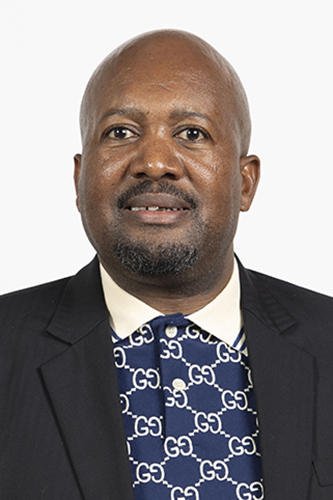
The committee Chairperson Mr Rikus Badenhorst said, “I want to commend the provincial legislatures for their thorough engagement. This bill is a triumph of cooperative governance and shows how meaningful input from stakeholders and provinces can strengthen our legislative framework to protect our coastlines and maritime economy.”
During the second part of the session, the committee hosted a robust workshop with AGSA, which focused on the audit findings of the two departments. The AGSA flagged numerous issues from the 6th Parliament pertaining to both these crucial departments: late or missing Medium-Term Strategic Framework indicators in annual performance plans (APPs), lack of accountability for delayed projects and budget overruns, and a troubling absence of maintenance indicators aligned with asset profiles.
“These findings are deeply concerning. We are not seeing evidence-based planning, but rather compliance-driven paperwork,” Mr Badenhorst remarked. “If departments are reporting achievements without reliable evidence – or omitting key deliverables altogether – then we are not just failing oversight, we are failing the people of South Africa.”
A critical discussion point raised by Mr Badenhorst was the growing culture of non-payment to entities like the Independent Development Trust (IDT) and the Property Management Trading Entity (PMTE), which threatens the sustainability of public infrastructure delivery. Organ of state debt now exceeds R4 billion to the PMTE and R600 million to the IDT. Mr Badenhorst proposed that the AGSA consider incorporating payment compliance to public entities into future audit scopes. “As Parliament, we cannot allow this cycle of neglect and financial strangulation of critical infrastructure agencies to continue,” he concluded.
The committee resolved to consider the final mandates on the bill in the next parliamentary term and committed to enhanced oversight during the review of departmental strategic plans and APPs during the 7th Parliament.
ISSUED BY THE PARLIAMENTARY COMMUNICATION SERVICES ON BEHALF OF THE CHAIRPERSON OF THE SELECT COMMITTEE ON PUBLIC INFRASTRUCTURE AND MINISTRIES IN PRESIDENCY, MR RIKUS BADENHORST.
For media inquiries or interviews with the Chairperson, please contact the committee’s Media Officer:
Name: Yoliswa Landu (Ms)
Cell: 081 497 4694
E-mail:ylandu@parliament.gov.za
 Arrange a tour