



Parliament, Wednesday, 25 March 2026 – The Portfolio Committee on Women, Youth and Persons with Disabilities met and received briefings from the University of the Free State (UFS) and the South African Bureau of Standards (SABS) on a UFS study examining endocrine-disrupting chemicals (EDCs) in sanitary pads and panty liners.
While the study detected EDCs across tested products, the committee was advised there is no evidence of an immediate health risk.
The UFS study, published in Science of the Total Environment, established a scientific baseline for EDC presence in locally available sanitary products. A multidisciplinary team tested multiple brands and found each product contained at least two EDCs with high detection frequencies. UFS noted that detected levels are below established European safety thresholds, but recommended further research on potential long-term effects, clarifying the study did not establish causal links to specific health conditions.
SABS briefed the committee on current voluntary compliance with SABS specifications and expressed concern over inconsistent adherence. Committee members highlighted that voluntary standards create regulatory gaps, especially where government suppliers may not comply.
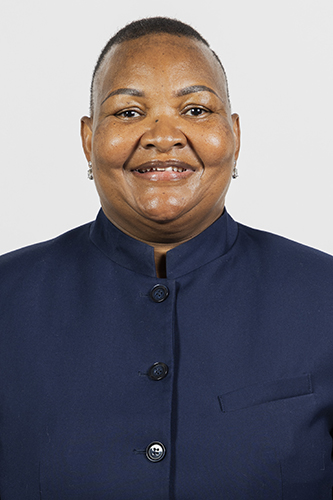
Committee Chairperson Ms Liezl van der Merwe said urgent action is required to prioritise product safety and women’s dignity. “We must protect the health and dignity of women across our nation. The lack of mandatory SABS compliance is a significant concern that must be addressed,” she said.
The committee resolved to pursue stronger regulatory measures, including exploring amendments to make SABS compliance compulsory. Members emphasised the need for rigorous, ongoing testing and monitoring of sanitary products to safeguard public health.
The committee asked whether sanitary pads are safe for use. SABS, supported by the Department of Health’s guidance, confirmed that available evidence indicates the products are safe. The department noted that EDCs are widespread in many everyday items, and detection does not equate to immediate harm.
The committee expressed concern that the study’s release had generated public panic and misinformation. To address this, the committee requested the University of the Free State to take steps to publicly clarify their study findings and to actively undo misinformation and panic resulting from the report.
Members stressed the importance of clear, responsible communication and collaborative messaging that supports women’s health while addressing legitimate concerns about long-term exposure.
Chairperson van der Merwe concluded: “We will continue our oversight work on sanitary dignity. As custodians of the rights of women, youth and persons with disabilities, we must ensure safety, clarity and accountability. The key message from today’s briefing is that there is no need for alarm.”
ISSUED BY THE PARLIAMENTARY COMMUNICATION SERVICES ON BEHALF OF THE CHAIRPERSON OF THE PORTFOLIO COMMITTEE ON WOMEN, YOUTH AND PERSONS WITH DISABILITIES, MS LIEZL VAN DER MERWE.
For media inquiries or interviews with the Chairperson, please contact the committee’s Media Officer:
Name: Yoliswa Landu (Ms)
Cell: 081 497 4694
E-mail: ylandu@parliament.gov.za
 Arrange a tour