



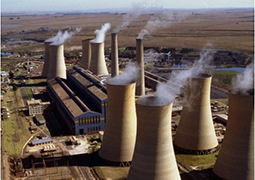
Parliament, Tuesday, 25 March 2025 – The Portfolio Committee on Energy yesterday conducted an oversight visit to Komati Power Station, engaging with Eskom management, community representatives, organised labour, the Steve Tshwete Local Municipality and the Presidential Climate Change Group. The visit set out to assess the decommissioning of the station and its impact on the local community, while also exploring alternative energy solutions and the Just Energy Transition (JET).
Briefing the committee, Eskom management outlined the rationale behind the decommissioning. They explained that the decision was based on multiple factors, including ageing infrastructure, which had become unviable to operate as expensive maintenance and repairs are required. The need to comply with stringent environmental regulations aimed at reducing carbon emissions is another factor Eskom needs to consider.
The committee posed questions on various issues during the engagement, including the measures Eskom is implementing to support affected workers as they transition to alternative employment. In response, Eskom indicated that it is developing training programmes and partnerships with local businesses to facilitate job placement for displaced workers, as well as exploring opportunities in the renewable energy sector. Other questions addressed how Eskom plans to ensure active community involvement in future energy planning decisions. Eskom committed to enhancing its community engagement strategies, including regular consultations and feedback mechanisms.
The committee also sought to understand the timelines in place for the implementation of alternative energy projects to mitigate the impact of the decommissioning. Eskom provided a phased approach to alternative energy projects, aiming for initial developments to commence within the next year.
Committee members expressed their concerns about the decommissioning of the power station, highlighting the significant job losses arising from the closure and stressing the need for immediate support and retraining initiatives for affected workers. Concerns were also raised about the broader economic implications for the community, particularly for local businesses that rely on the power station to operate.
Another concern raised during the meeting was the lack of consultation prior to the power station’s decommissioning. Community leaders and organised labour representatives voiced their frustration over the absence of meaningful dialogue between Eskom and the various stakeholders. The unions were of the view that the decision to close the power station was made without taking into account the voices of those who would be most affected by the closure.
The socio-economic ramifications of the power station’s closure were a major focus of the engagement. Local municipality representatives pointed out the need for a comprehensive plan to address the job losses and economic decline resulting from the decommissioning. The municipality in its presentation said the community has experienced an increase in unemployment rates and a decline in local businesses that relied on the power station’s operations.
Inquiries were made during the discussions about funding from the World Bank. The committee questioned the effectiveness of the funding received and what measures had been implemented with those resources. Eskom representatives provided assurances that World Bank funding is being used to support the transition process, including investments in renewable energy projects and community training initiatives. However, concerns persisted among committee members about the timeline and transparency around the allocation of these funds, with committee members indicating the need for regular updates to ensure accountability.
Another significant area of concern raised by committee members was the alternative sources of energy Eskom is introducing to mitigate the impact of the power station’s closure. The discussions focused on renewable energy initiatives, such as solar and wind projects, which are seen as critical components of South Africa’s energy transition strategy. While Eskom highlighted its commitment to exploring these alternatives, stakeholders pressed for specifics on implementation timelines and how these initiatives would directly benefit the local economy and create jobs for displaced workers.
Organised labour representatives were vocal about job security and the lack of adequate support for workers affected by the decommissioning. The union representatives emphasised the importance of ensuring that any transition plan includes robust measures to protect workers’ rights and livelihoods. Organised labour and stakeholders present said the transition to renewable energy must not come at the expense of workers; their voices must be included in any future planning processes.
The committee stressed the necessity of ensuring that the impacts of decommissioning are carefully managed and putting community welfare at the forefront of any energy transition strategy. Committee members called for greater transparency in Eskom’s decision-making processes, urging the utility to keep the community informed and involved in future energy planning. Members also supported Eskom’s shift towards renewable energy and encouraged the utility to expedite the development of alternative energy sources to replace the capacity lost from the decommissioning.
Attached is the committee’s oversight programme https://tinyurl.com/ytxmwmw9
ISSUED BY THE PARLIAMENTARY COMMUNICATION SERVICES ON BEHALF OF THE CHAIRPERSON OF THE PORTFOLIO COMMITTEE ON ELECTRICITY AND ENERGY, MS NONKOSI MVANA.
For media inquiries or interviews with the Chairperson, please contact the committee’s Media Officer:
Name: Yoliswa Landu (Ms)
Cell: 081 497 4694
E-mail: ylandu@parliament.gov.za
 Arrange a tour