



Parliament, Saturday, 13 June 2026 – The Portfolio Committee on Basic Education has noted progress made by the Department of Basic Education (DBE) during the fourth quarter of 2025/26 financial year but has called for urgent and coordinated interventions to address persistent challenges in foundational literacy, numeracy and reading outcomes.
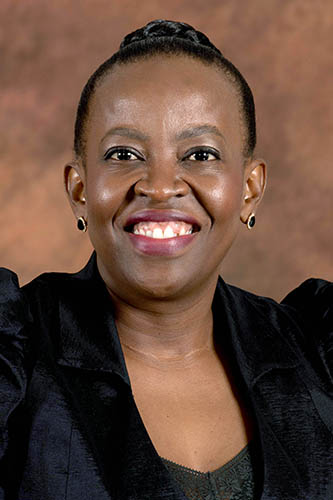
The committee, chaired by Ms Joy Maimela, yesterday considered both the department’s fourth quarter performance report for 2025/26 and a presentation from the Right to Read Campaign on South Africa’s literacy crisis and proposals to strengthen accountability for reading outcomes. Ms Maimela said the engagements collectively underscored the central importance of foundational learning to the success of South Africa’s education system.
“The committee welcomes the progress made by the department in a number of important areas, but we remain deeply concerned by evidence showing that too many children are leaving the foundation phase without the ability to read for meaning. Reading is the foundation of all future learning, and unless we address this challenge decisively, many learners will continue to struggle throughout their schooling careers,” she emphasised.
The committee noted that the department achieved 69% of its quarterly and biannual performance targets, 23% were partially achieved and 8% were not achieved during the reporting period. Members welcomed achievements in infrastructure delivery, teacher development, inclusive education programmes and learner support initiatives.
Members especially noted and commended the delivery of sanitation facilities to 110 schools against a target of 50 schools, the construction of 45 classrooms through the Accelerated School Infrastructure Delivery Initiative, and the creation of more than 205 000 job opportunities through the Basic Education Employment Initiative.
Despite these achievements, the committee expressed concern about underperformance in several key areas, particularly those relating to foundational learning. Particular concern was raised about the number of children benefiting from the early childhood development subsidy, which fell significantly short of the annual target. While the committee notes the department’s explanation regarding the introduction of more rigorous verification processes and the rollout of the eCares system, it believes that accurate and reliable data is essential for effective planning and resource allocation.
The committee noted with concern the targets that were not achieved relating to the number of learners achieving 60% and above in Mathematics and Physical Science in the National Senior Certificate examinations. Equally concerning were the results of the Early Learning National Assessment, which showed lower-than-expected literacy and numeracy outcomes among young learners.
These concerns were reinforced by evidence presented by the Right to Read Campaign, which highlighted that only about 30% of learners in Grades 1 to 3 are reading at the level expected for their grade. The committee was particularly troubled by findings that approximately 15% of Grade 3 learners cannot read a single word correctly after three years of schooling.
The campaign further highlighted significant inequalities in reading outcomes linked to poverty, language and geography, with learners in poorer communities and many African language groups facing the greatest challenges. “The reality is that literacy remains one of the defining challenges facing our education system. The committee agrees that the inability of learners to acquire foundational reading skills undermines their constitutional right to basic education and limits their future opportunities,” said Ms Maimela.
The committee welcomed the campaign’s focus on practical, evidence-based interventions to improve reading outcomes, including stronger teacher training, the provision of quality learning and teaching support materials, teacher coaching programmes and the use of teaching assistants in classrooms.
“The committee believes that literacy must remain a national priority. While South Africa has adopted a number of reading strategies over the years, there is a need to ensure that these interventions translate into measurable improvements in classrooms and learning outcomes,” Ms Maimela said.
The committee emphasised that any proposal for new regulations would require careful consultation with the DBE, provincial education departments, educators, organised labour, academics, parents and civil society organisations. The committee urge the organisers of the campaign to work with the DBE to try and ensure better outcomes.
While welcoming the department’s overall expenditure performance of 98.06% of its adjusted budget, the committee reiterated that improved spending must be accompanied by improved learning outcomes.
“The committee will continue exercising robust oversight to ensure that every child has access to quality education and acquires the foundational literacy and numeracy skills necessary to succeed. The literacy crisis requires urgent action from all stakeholders, and Parliament will continue to champion interventions that place reading at the centre of our education agenda,” Ms Maimela concluded.
ISSUED BY THE PARLIAMENTARY COMMUNICATION SERVICES ON BEHALF OF THE CHAIRPERSON OF THE PORTFOLIO COMMITTEE ON BASIC EDUCATION, MS JOY MAIMELA.
For media enquiries or interviews with the Chairperson, please contact the committee’s Media Officer:
Name: Rajaa Azzakani (Ms)
Cell: 081 703 9542
E-mail: razzakani@parliament.gov.za
 Arrange a tour