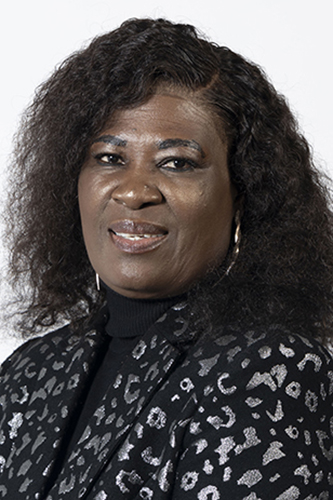



Parliament, Monday, 1 June 2026 – The Chairperson of the Portfolio Committee on Social Development, Ms Bridget Masango has called on every South African to play their part in protecting children from sexual abuse and violence.
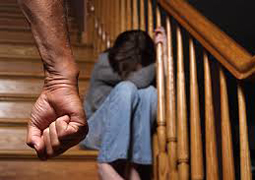
As the country commemorates National Child Protection Week, which began on Friday, 29 May 2026, and runs until 5 June 2026, the committee says South Africa cannot continue to look away while children are abused by people they know and trust. This year’s theme is: “Working Together to End Violence Against Children”.
In the 2022/2023 financial year, more than 43 000 rape cases were recorded in South Africa. About 10 590 of those cases involved children under the age of 18. Research also shows that fewer than 4% of rape survivors report their abuse to police. Of the cases that eventually reach court, only 8.6% end in a guilty verdict.
In 2020 alone, nearly 700 babies were born to girls aged just nine and ten years old. South African law already places a legal responsibility on adults to report child sexual abuse.
Section 54 of the Criminal Law (Sexual Offences and Related Matters) Amendment Act says anyone who knows about a sexual offence against a child must report it. Failing to do so is a criminal offence that can lead to up to five years in prison. Section 110 of the Children’s Act also requires teachers, nurses, doctors, religious leaders and social workers to report any reasonable suspicion that a child is being abused. Yet many cases still go unreported.
In August 2024, five parliamentary portfolio committees, Social Development, Basic Education, Health, Justice and Police, were instructed to develop a joint programme to tackle statutory rape and examine whether laws around mandatory reporting should be strengthened. Following an extension, the work resumed in July 2025 under the leadership of the Portfolio Committee on Women, Youth and Persons with Disabilities.
A UNICEF-supported study found that children are increasingly targeted through social media platforms such as Facebook Messenger and WhatsApp. Many are manipulated, blackmailed or pressured into sharing sexual images through promises of money, gifts or affection. More than half (55%) of children who received unwanted sexual requests online told no one about their experience. Those who did speak up often confided in friends rather than adults. Only 1% reported the abuse to police or social workers.
To help tackle the crisis, the Portfolio Committee on Social Development has previously proposed several interventions, including:
- Daily public updates on child sexual abuse statistics;
- A confidential online reporting system shared across government departments;
- Stronger accountability for professionals who fail to report abuse;
- Greater support for boy children and male victims, who are often overlooked because of stigma;
- Partnerships with traditional leaders to challenge harmful cultural practices that discourage reporting; and
- Working with mining companies and other industries to fund social workers in communities where abuse is widespread.
The committee urges communities across the country to speak out, report abuse and work together to end violence against children.
ISSUED BY THE PARLIAMENTARY COMMUNICATION SERVICES ON BEHALF OF THE CHAIRPERSON OF THE PORTFOLIO COMMITTEE ON SOCIAL DEVELOPMENT, MS BRIDGET MASANGO.
For media enquiries, please contact the committee’s Media Officer:
Name: Ms Faith Ndenze
Parliamentary Communication Services
Cell: 081 377 0686
Email: fndenze@parliament.gov.za
 Arrange a tour