


Parliament, Friday, 27 March 2026 – The Portfolio Committee on Cooperative Governance and Traditional Affairs (COGTA) today heard oral submissions from several stakeholders on the Intergovernmental Monitoring, Support and Interventions (IMSI) Bill.
This Bill seeks to strengthen the legislative framework governing national and provincial support and interventions in municipalities. The Bill also seeks to remedy the challenges often experienced during interventions. The Constitution already allows national and provincial governments to intervene when a province or municipality fails to deliver municipal services, such as water and electricity. However, procedures for doing this have often been unclear, leading to disagreements about when, how and why interventions need to occur.
The Bill also provides for performance monitoring, defines “executive obligations”, and sets out the support or corrective steps that must occur before and during an intervention. It also introduces systems to identify early warning signs so that problems can be addressed before they become crises.
Oral submissions from municipalities, provincial governments, civil society organisations and Chapter 9 institutions highlighted several recurring themes. These included concerns about the financial cost associated with new compliance and monitoring requirements, the appropriate balance of powers between national or provincial and local governments and the need for clearer processes around interventions.
Members heard from the South African Human Rights Commission, recommending that specific timeframes be included in the Bill to ensure that requests for support are addressed without delay. The Commission also emphasised the importance of an effective early monitoring and reporting system and recommended that it incorporate independent data from oversight institutions such as itself and the Office of the Auditor-General. The Commission told the committee that including audit and investigative findings would strengthen the credibility and responsiveness of intervention mechanisms.
Civil society organisations, such as the Youth Policy Lab, stressed the need to include traditional leaders and persons with disabilities in the consultation processes of interventions. The organisation also raised concerns in their submission about the potential misuse of these interventions, particularly in politically contested environments such as coalition councils. It also called for accountability measures to include political office-bearers, such as mayors and councillors and not only administrative officials.
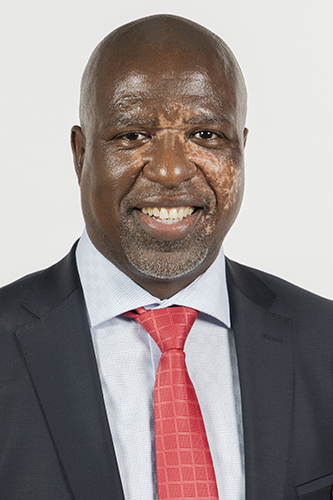
The Chairperson of the committee, Dr Zweli Mkhize, said the inputs were wide-ranging, spanning legal, constitutional and administrative dimensions, as well as practical experiences from across the three spheres of government. The inputs also reflect longstanding challenges in intergovernmental relations. “Our experience has shown that interventions do not always resolve underlying dysfunction,” he said. “In some instances, municipalities relapse, while in others, repeated interventions yield limited impact.”
The committee will see how the inputs can contribute to strengthening the Bill and improving the processes of monitoring, support and intervention. While these challenges are not easily resolved, the aim is to work together towards a framework where interventions are timely, effective, properly monitored and respectful of the balance of powers across different spheres of government, the Chairperson noted.
The committee was also encouraged that many of the contributions highlighted areas where the Bill provides greater clarity on previously uncertain aspects. “This is important given that the Bill deals with the interface between different spheres of government, where questions of roles, powers and responsibilities often give rise to contestation and uncertainty,” the Chairperson said. “The contributions have provided a rich and diverse set of perspectives that will be valuable as the committee proceeds with the legislative process. At this stage, we are still at the beginning of that process,” said Dr Mkhize.
ISSUED BY THE PARLIAMENTARY COMMUNICATION SERVICES ON BEHALF OF THE CHAIRPERSON OF THE PORTFOLIO COMMITTEE ON COOPERATIVE GOVERNANCE AND TRADITIONAL AFFAIRS, DR ZWELI MKHIZE.
For media inquiries or interviews with the Chairperson, please contact the Media Officer:
Name: Alicestine October
Cell: 083 665 4345
E-mail: aoctober@parliament.gov.za
 Arrange a tour