


Parliament, Wednesday, 9 October 2024 – The Portfolio Committee on Cooperative Governance and Traditional Affairs concluded the first day of its oversight visit to KwaZulu-Natal with a robust community engagement in Umlazi.
The committee is on a week-long oversight visit to KZN, where it will visit several municipalities to assess performance on governance, service delivery and financial management issues, among other things. The committee also has community engagements scheduled where residents can air concerns about service delivery.
On Tuesday, residents at the Umlazi meeting aired several concerns about service delivery in the area. One resident told the committee that Umlazi’s population is increasing, but services are not. Some residents said that they feel “sabotaged” by officials because when they report problems, they get reference numbers, but nothing happens after that.
Among the big issues raised were sewerage leaks and water challenges. Some residents said there are persistent sewer blockages, especially in houses built during the apartheid era. In other areas, pipes are installed, but no water is available, and when water leaks are reported, they are not attended to. One resident asked that the 6-kilolitre limit on free water be removed and instead proposed a R5 flat rate regardless of where people live.
Another issue flagged was unemployment, with some young residents telling the committee that they don’t want soup kitchens but job opportunities so they do not have to depend on the government for food.
Billing issues were another concern. Several residents told the committee they are still billed even when they have not had water for a month. Others said they do not understand the city’s calculations, as a household with one person and one with six people are billed the same amount.
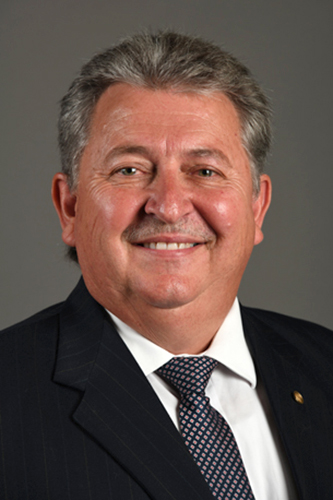
Committee Chairperson Dr Zweli Mkhize thanked residents for sharing their concerns and providing insight into their challenges. “The committee listened to the community and felt that the municipality must put in extra effort to supply water, particularly since some problems date back to the damage caused by the floods. We encouraged the executive council to do everything possible to assist communities. “The committee has raised the issue regarding high bills for service delivery with the municipality and asked that every individual case be addressed and dealt with in terms of indigent policies,” said the Chairperson.
Regarding the 6-kilolitre allowance that was given free to residents some years back and is now being charged, the committee believes it is unfair as communities did not make any preparations for this kind of additional charge that has now come about. “The committee feels that the municipality must review this matter with an understanding of the plight of communities. Some community members suggested flat rates. The committee urged the municipality to address this and report on every individual’s case to the committee. “We will follow up every month and ask for a report from the municipality,” said the Chairperson.
The committee noted concerns about vandalism of water infrastructure and the municipality having to resort to water tankers to supply water in some areas. “We have encouraged the municipality to invest in its infrastructure. It is important to ensure communities get the water, but the municipality must continue to invest in maintenance of water infrastructure,” Dr Mkhize said.
The committee noted that some challenges will take a long time to resolve. “We do understand that it is a lot of work to trace water leaks with about 7 000 pipes the municipality has to monitor for water leaks, but we believe the municipality must invest in technology to enable them to identify these leaks early and make refurbishments,” the Chairperson said.
In contrast to residents’ sobering accounts of service delivery issues, the eThekwini Metro leadership shared their perspective with the committee during a meeting held in the eThekwini Metro’s Council Chambers earlier on Tuesday. The provincial Department of COGTA, the Auditor-General, officials from the Presidential Working Group, and officials from the Department of Water and Sanitation were also present at the meeting.
The committee interrogated the situation in eThekwini, noting some good and some less encouraging developments. First, the committee noted the positive developments, such as the metro having no outstanding debt to Eskom or the water boards. The committee also noted the metro’s 93% revenue collection rate but was concerned that this may hit hard at people already living in poverty. “So, we are still interrogating this,” the Chairperson said.
The committee also sought to understand why the president sent a team to eThekwini. “Clearly, there was a serious deterioration in the city’s impact on the region’s economy with a loss in business confidence, declining tourism numbers and people no longer visiting Durban beaches. The committee believes that it is important for this work to be done in a way that encourages the city to ensure that when the [Presidential Working] team exits, it leaves capacity for the city not to deteriorate again,” Dr Mkhize said.
The committee also wanted to understand the provincial Department of COGTA’s intervention in eThekwini, since the municipality’s communication with the public about this has not been good. The committee felt that it is important to clear the relationship between COGTA and the municipality so that there is support and not contestation. The committee was encouraged by the mayor’s assurance that much work has been done to remove tensions at the political level.
Another concern for the committee was the high vacancy rate for senior management positions. The committee noted that the approval of organograms is taking too long due to technical and bureaucratic delays. The committee urged the municipality to work quickly to address this.
The committee noted that recovery efforts after the flood disaster were prolonged and urged the municipality to address these issues. The committee said it would keep monitoring the situation.
“Overall, we got the impression that eThekwini is on a path to recovery, and we get the sense that the interventions and support are helping it recover,” said Dr Mkhize. “What is important in the end is to give attention to issues facing communities on a daily basis.”
The committee will meet today (Wednesday) with the Msunduzi Local Municipality to discuss municipal governance and service delivery issues, among others. The committee will also meet with residents at the town hall to hear their input on the prevailing service delivery challenges. The meetings are open to the public.
Details of the programme for Wednesday can be found here: https://tinyurl.com/57yyypcj
ISSUED BY THE PARLIAMENTARY COMMUNICATION SERVICES ON BEHALF OF THE CHAIRPERSON OF THE PORTFOLIO COMMITTEE ON COOPERATIVE GOVERNANCE AND TRADITIONAL AFFAIRS, DR ZWELI MKHIZE.
For media enquiries or interviews with the Chairperson, please contact:
Name: Alicestine October (Ms)
Cell: 083 665 4345
E-mail: aoctober@parliament.gov.za
 Arrange a tour