


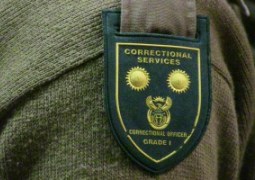
Old corrugated-iron infrastructure, staff vacancies, fire extinguishers that have not been services for two years and the unbecoming conduct of some officials greeted the Portfolio Committee on Correctional Services on 24 June during an oversight visit to the Voorberg Correctional Centre near Porterville in the Western Cape.
The committee noted with concern the condition of the Medium A section, commonly referred to as the “Blikkiestronk” [Tin Prison] because it is constructed primarily from corrugated iron dating back to 1976. This makes the building extremely cold in winter. Inmates also mentioned the insufficient bedding.
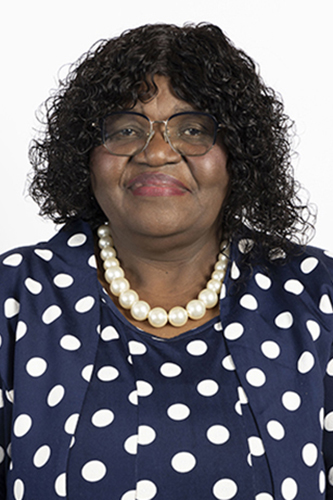
Committee Chairperson Ms Kgomotso Anthea Ramolobeng urged the responsible departments – the departments of Public Works and Infrastructure (DPWI) and the of Correctional Services (DCS) – to find a workable humane solution.
Committee member Mr Janho Engelbrecht asked if the DPWI planned to build a brick facility to replace the tin structure. Another committee member, Mr Erald Cloet, reinforced this by saying that inmates’ rights must be respected. “It cannot be that inmates are expected to sleep without bedsheets, especially not in winter. They are also human beings,” he emphasised.
The committee resolved at the start of its term in the seventh Parliament to do as many physical oversight visits as possible to correctional facilities to establish first-hand if what is presented to them in meetings speaks to what actually happens on the ground. The committee has already visited Gauteng, KwaZulu-Natal, Eastern Cape, Limpopo and Mpumalanga. It has further resolved to visit centres in the Western Cape as and when its programme allows, as Parliament is situated in this region.
The committee also noted leaking taps and damaged cooking equipment and refrigeration units. It urged the department to ensure proper maintenance to ensure acceptable living conditions. At the debriefing session at the end of the visit, the committee was assured that DPWI staff have since repaired the leaking taps.
The centre consists of Medium A, which has an approved bed capacity of 461 inmates and is operating at an occupancy rate of 108%, and Medium B, which has an approved bed capacity of 1 421 inmates and an occupancy rate of 130%.
In line with the DCS’s Self-Sufficiency and Sustainability Strategic Framework, the facility produces milk, red meat, vegetables, fruit and animal fodder. The committee commended the centre’s self-sufficiency programme and its ability to supply agricultural products to other correctional facilities within the management area.
Committee member Mr Mzwanele Sokopo the report given in the debriefing does not mention any challenges, nor does it suggest ways in which the committee can assist. “During the walkabout, about R90 000 was mentioned for one project. That is nothing in comparison to the saving it would ensure for the department if that money were found and used. It would have been nice to provide the National Commission with the cost of what is needed to address the challenges.”
Committee Chairperson Ms Ramolobeng said: “At a time when the department is operating under severe fiscal constraints, projects such as these assist in reducing costs and improving sustainability. The extent of the agricultural projects at this facility is commendable.
During a walkabout inspection, the committee was shown a section of the perimeter fence that had previously been cut and used as an entry point for contraband. The committee heard that individuals from nearby communities had used e-hailing services to access areas adjacent to the perimeter fence and throw prohibited items onto agricultural land worked by inmates.
The centre has since strengthened its security measures by ensuring that observation towers are staffed and by conducting regular sweeps of agricultural areas before inmates begin work. The committee also raised concerns about the high staff vacancy rate at the facility. Medium A has 35 vacancies out of 153 funded posts, while Medium B has 73 vacancies out of 325 funded posts. Committee member Mr Lungisani Shangase wanted to know the DCS’s plans to urgently fill the funded vacancies.
Ms Ramolobeng said all funded vacancies must be filled as a matter of urgency to ensure that the facility can operate effectively and safely.
During the walkabout of the facility, inmates mentioned delays in matters before the parole board and inmates serving almost full sentence without being granted parole. Committee member Mr Ernest Hendricks said the lack of guidelines and appointments on the parole board in these areas would assist in addressing this challenge.
The committee further expressed concern about the attitude and conduct of some officials at the centre and urged the acting area commissioner to address the matter urgently.
“The attitude displayed by some officials is unacceptable. There appears to be a culture where instructions are resisted and poor conduct goes unchallenged. Even as visitors, we experienced an unwelcoming environment. This raises serious questions about leadership, accountability and organisational culture within the facility,” Ms Ramolobeng said.
Rajaa Azzakani
26 June 2026
 Arrange a tour