


Through its flagship Taking Parliament to the People programme, the National Council of Province (NCOP) continues to enhance its oversight mandate and encourage government to speed up the delivery of services, especially in historically disadvantaged areas.
Taking Parliament to the People provides a platform for public participation and enables interaction between ordinary people and their government representatives on service delivery and governance issues affecting communities. Through these engagements, the NCOP has uncovered huge backlogs in delivery of basic services and heard numerous reports of corruption, bribery, nepotism, maladministration, inefficiency, poor communication, weak leadership and underspending that has resulted in incomplete provincial and municipal projects and lack of infrastructure maintenance.
Since its inception in 2002, the Taking Parliament to the People programme has evolved from an ordinary public participation platform to become an effective oversight and service delivery tool. It is an annual programme conceptualised in accordance with Section 72 of the Constitution, which enjoins the NCOP to facilitate public participation in legislative process and to conduct its parliamentary business in an open manner.
The African Peer Review Mechanism Country Review of South Africa cited Taking Parliament to the People as a best practice in the promotion of democracy and political governance. One reason for this is that allows Parliament to assess the impact of the legislation on the development and empowerment of the people and helps promote transparency and accountability.
President Cyril Ramaphosa has in the past commended the NCOP for effective coordination of the three spheres of government and enhancing public participation through platforms such as Taking Parliament to the People. By means of this programme, the President said, Parliament is contributing to the building of participatory democracy. Not only are citizens able to vote every five years for their representatives, they are also able to participate in the decisions that affect their lives.
“Public participation enables the state to make better decisions. It builds trust between the government, communities and stakeholders. It empowers citizens with the knowledge that their voices are heard,” he said.
This year’s programme will be held in the Dr Kenneth Kaunda District Municipality, in the North West Province, under the theme: Celebrating 30 Years of the Constitution: Deepening Participatory Democracy for Service Delivery.
Communities in Kenneth Kaunda and surrounding municipalities will engage directly with government leaders on key service delivery issues, including local economic development and job creation; infrastructure maintenance (water and sanitation, roads, electricity, human settlements, health and mining); and financial management and governance.
In its announcement of this year’s Taking Parliament to the People, the NCOP said the programme will feature public hearings, site visits to service delivery hotspots, and direct engagements with permanent delegates to the NCOP, ministers, members of provincial legislatures and councillors. It will culminate in an address delivered by President Cyril Ramaphosa to the NCOP on Friday, 15 May 2026.
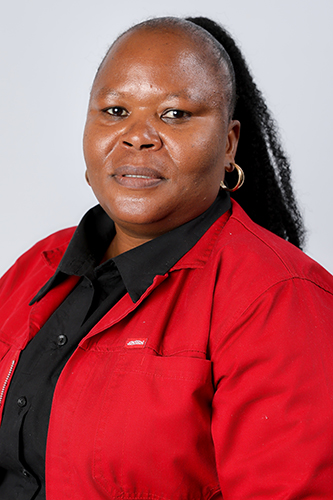
In an interview with Parliament TV in July last year, the Chairperson of the NCOP, Ms Refilwe-Mtshweni-Tsipane, emphasised the importance of public participation as one of the objectives of Parliament enshrined in the Constitution.
“Parliament is obliged to recognise the voice of the people. That is why we have outreach programmes where we interface with the public; because we are the representatives of the people. There would be no parliament without the people’s voice. Some of the platforms for the public to participate in the business of Parliament include Taking Parliament to the People, petitions, or through the parliamentary constituency offices,” said the NCOP Chair.
Sakhile Mokoena
6 May 2026
 Arrange a tour