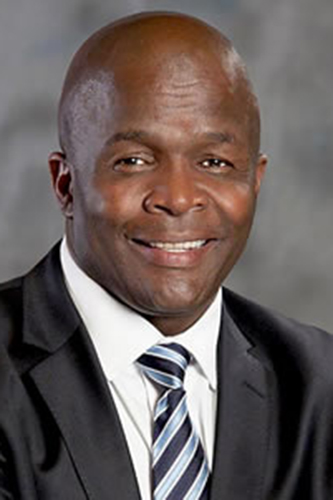



Delivering his department’s budget vote in a mini-plenary of the National Assembly, Minister of International Relations and Cooperation Mr Ronald Lamola cautioned that the effects of climate change – particularly across the African continent – could result in many countries failing to meet the 2030 deadline for the United Nations Sustainable Development Goals (SDGs).
The SDGs are globally agreed targets designed to eradicate hunger, poverty and inequality by 2030.
“The promise of sustainable development is slipping out of reach. More than 85% of the SDGs are currently off track, with setbacks particularly acute in the fight against hunger, extreme poverty and rising inequalities. The climate crisis is deepening this trajectory, with extreme weather events inflicting severe human and economic losses, particularly across Africa and other climate-vulnerable regions,” the Minister said.
He said these converging crises are testing the resilience of societies and exposing long-standing structural injustices. He also flagged a persistent and growing gap in financing as a major stumbling block. “The global shortfall to achieve the SDGs is now estimated at over USD$4 trillion per year, while official development assistance commitments remain unmet.
“It is against this backdrop that member countries of the United Nations have recommitted themselves to close the US$4 trillion annual funding gap through the compromise reached in Sevilla to achieve the objectives of Agenda 2030,” he said.
Minister Lamola tabled department’s 2025/26 budget at R7.090 billion – a marginal increase from R7 billion in 2024/25. This is expected to grow to R7.5 billion by 2027/28. While acknowledging this reflects a modest 2% growth over the medium term, he said it affirms South Africa’s ongoing commitment to strengthening its global presence and influence.
The Chairperson of the Portfolio Committee on International Relations and Cooperation, Mr Supra Mahumapelo, supported the department’s budget on behalf of the African National Congress. He praised the department for its role in increasing foreign direct investment in the first quarter of 2025.
“In the first quarter of this year, 2025, foreign direct investment in South Africa went to an impressive R11.7 billion. This didn’t happen by chance, but because of the work by DIRCO [Department of International Relations and Cooperatonion], including all and sundry in the executive arm of the state, to make sure that there is investment coming into our country,” he said.
Mr Mahumapelo urged DIRCO, along with the Department of Trade, Industry and Competition (DTIC), to invest more in sectors that contributed to this growth – particularly tourism. “We want to suggest to the department that an important variable of tourism is quite key to the growth of South Africa’s economy. Therefore, we are suggesting collaboration between DIRCO, DTIC, Tourism and Home Affairs to deal with some of the issues that are a hindrance to tourists coming to South Africa,” he added.
Criticism from Opposition Parties
Mr Wesley Douglas of the uMkhonto weSizwe Party rejected the budget, labelling it elitist. “This is not a budget for poor people. More than half the budget is going to a bloated salary bill. The department says it undertakes about 60 economic diplomacy events per year, yet there are no figures on SMMEs involved or metrics on values extracted for the local economy. There is no measurable impact on jobs or township exports mentioned in this budget,” Mr Douglas argued.
Democratic Alliance representative Mr Ryan Smith criticised the department for failing to leverage South Africa’s G20 Presidency to drive a meaningful international agenda. “What was supposed to be a key opportunity to set a clear South African agenda and leverage international best practices to unlock our country’s potential is quickly becoming yet another ANC-dominated talk shop with zero parliamentary oversight.
“One of the core mandates of this department is contributing into the creation of an enabling international environment for South African businesses. This means DIRCO has to share co-responsibility for growing the economy and creating jobs through its policy choices and diplomatic efforts,” he said.
Mr Smith further accused the department of alienating key international partners. “In a context where we are dealing with an unemployment crisis – with the highest youth unemployment in the world – one would expect DIRCO to focus on easing tensions with key trading partners and enabling access to new markets. Instead, it provokes the ire of our international trading partners, many of whom do not need to trade with South Africa but do so as an act of solidarity,” he warned.
Ms Nqobile Mhlongo of the Economic Freedom Fighters said Africa had failed to redefine its role on the global stage and unify its response to global challenges. “South Africa’s role as a voice of a re-emerging African force has faded gradually from the Zuma years and is now almost non-existent under the Ramaphosa administration. As a result, this country and the continent remain spectators while the West continues to loot our resources and develop their people,” she said.
Mr Nhlanhla Hadebe of the Inkatha Freedom Party expressed support for a foreign policy based on multilateralism, diplomacy and an ethical international order. He called for a review of South Africa’s foreign missions to ensure they align with strategic national interests. “Missions that do not yield clear benefits – particularly in trade and investment – should be reassessed. Our missions abroad must actively drive economic diplomacy and secure stronger bilateral and multilateral partnerships that will translate into growth and jobs at home,” he said
Sakhile Mokoena
8 July 2025
 Arrange a tour