



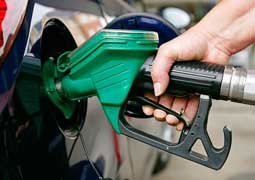
The R10 billion fuel-relief allocation must deliver much-needed relief to consumers at the pumps, the Select Committee on Appropriations has said. The committee made the call after concluding its public hearings on the Special Appropriation Bill and receiving submissions from stakeholders.
The bill seeks to appropriate R10 billion to the Department of Mineral and Petroleum Resources to provide fiscal capacity for a possible intervention to offset increases in the basic fuel price.
In pursuit of its legislative mandate, the committee received and considered submissions from the Moloto Doctrine, the Congress of South African Trade Unions (COSATU), Mr Zakariyya Desai and the Pan-African Institute for Fiscal and Policy Studies (PA-IFS). The submissions raised common concerns about the design, implementation, affordability and accountability of the proposed R10 billion intervention.
COSATU, represented by Mr Mathew Parks, highlighted rising oil prices as a major contributor to retrenchments, higher input costs and the closure of small and medium-sized enterprises. COSATU described the Bill as progressive, supported the Special Appropriation and said using fiscal resources to stabilise the economy was a correct and necessary step by government.
“This Bill does provide a very necessary and timely intervention, and we represent millions of workers across all parts of the economy, whether it’s the fuel station attendants, whether it’s a teacher who’s driving to work, whether it’s farm workers who depend upon diesel to do their work, whether it’s workers who take trains to get to work, and of course, workers are consumers too,” said Mr Parks.
COSATU said fuel prices have a direct and indirect effect on food prices, public transport and employment. It said the fund exists specifically to manage extreme fluctuations in international oil prices and protect the economy and consumers from oil-price shocks.
“We have seen the massive hikes yet again on the fuel price, and this fund, this money, should be utilized for its very purpose, which is to protect women and the economy. We should not just simply allow it to sit idle,” said Mr Parks.
PA-IFS representative Professor Dumisani Jantjies said a close examination of the increases revealed a bleak picture of the toll they were taking on South African households.
“You know, if you think about it improperly, we pay twice as household. Firstly, the price of the petrol itself, but secondly, because of the increase in interest rate, we also pay through our debts as household bonds go up,” said Prof Jantjies.
The committee welcomed the submissions, which highlighted the need to balance the urgency of protecting households, workers, commuters and the broader economy from fuel-price shocks with the constitutional principles of transparency, accountability and effective financial management.
Committee chairperson Ms Tidimalo Legwase said the engagements showed that, although the R10 billion intervention was necessary amid global fuel-price volatility and its impact on households and the broader economy, questions remained. These included the circumstances that should trigger a drawdown from the Equalisation Fund, which beneficiaries should be prioritised, the duration and sustainability of the intervention, and the mechanisms needed to ensure that relief reaches the intended beneficiaries.
“We have also been reminded during this public hearing that this is a temporary emergency measure. A once-off appropriation aimed at providing a cushion against an external shock, but it cannot shield South Africans permanently from oil-price volatility nor can it replace a structural reform needed in a fuel pricing and transport system,” said Ms Legwase.
Ms Legwase said Parliament had a duty to ensure that any expenditure from the allocation was lawful, transparent and delivered value for money. She added that the relief should be measurable and remain under active parliamentary oversight throughout.
Jabulani Majozi
8 October 2026
 Arrange a tour