


The Portfolio Committee on Police is seriously concerned about the high number of statutory rape cases withdrawn over the past five years, calling for stronger interventions to ensure perpetrators are brought to justice. During a recent briefing from the South African Police Service (SAPS) and the Civilian Secretariat for Police Service, the committee learned that 1 853 statutory rape cases were withdrawn between the 2020/21 and 2024/25 financial years.
Statutory rape refers to sexual intercourse with a minor who is legally incapable of providing consent due to age, regardless of whether the act was agreed to by both parties. Committee members described the number of withdrawn cases as alarming and unacceptable, particularly given the legal protections afforded to children under South African law.
According to SAPS, several factors contribute to the withdrawal of cases, including harmful cultural beliefs, social and economic pressures, barriers to reporting, fear of victimisation and stigmatisation, and a preference among some families and communities for alternative forms of dispute resolution.
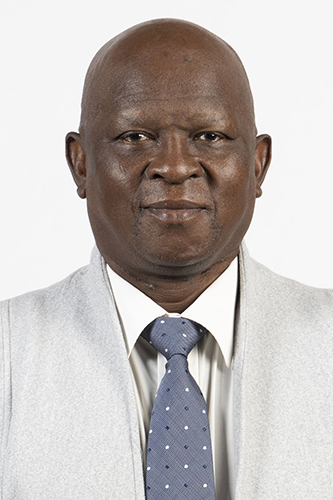
The committee insisted that these explanations cannot justify the failure to prosecute crimes against children. Chairperson of the committee, Mr Ian Cameron, said SAPS must urgently develop mechanisms to prevent the withdrawal of statutory rape cases and strengthen accountability measures against adults who fail to report such crimes.
“SAPS must strengthen measures against adults who fail to report incidents of statutory rape and provide statistics on actions taken against those who neglect this legal obligation,” Mr Cameron said. The committee also called on government departments to intensify public awareness campaigns and remove barriers that discourage victims and communities from reporting rape and statutory rape cases.
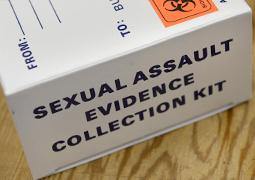
Beyond concerns over reporting and prosecution, members raised questions about the effectiveness of investigations into gender-based violence cases. The committee highlighted ongoing challenges within SAPS Forensic Science Laboratories (FSLs), where infrastructure constraints continue to hamper the processing and analysis of evidence.
SAPS acknowledged the difficulties and pointed to ongoing efforts to expand DNA analysis capacity, including plans to enlarge a forensic laboratory in Mpumalanga. However, the committee warned that long-standing problems within the forensic system continue to undermine the fight against sexual offences.
“While we acknowledge efforts to increase investment in DNA analysis infrastructure and the planned expansion of a laboratory in Mpumalanga, the longstanding challenges facing the FSL require urgent and pragmatic solutions. In a country confronted by unacceptably high levels of rape and statutory rape, it is intolerable that these challenges persist,” Mr Cameron said.
The committee also linked the low conviction rates in statutory rape cases to chronic under-resourcing within detective services. Committee members argued that investigators often lack the personnel, equipment and support needed to conduct thorough investigations that result in successful prosecutions. “The lack of convictions undermines efforts to ensure accountability for perpetrators of these heinous crimes,” Mr Cameron observed.
The committee indicated that it would continue exercising oversight over SAPS and other relevant departments to ensure stronger protection for children and improved prosecution outcomes in statutory rape cases.
Malatswa Molepo
3 June 2026
 Arrange a tour