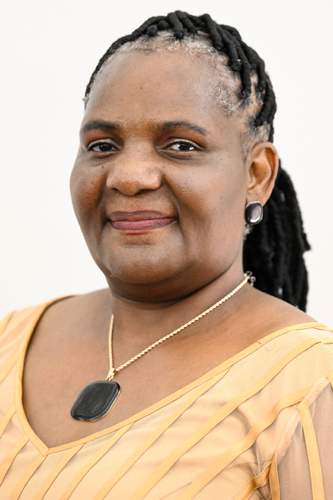




Debating the topic “Addressing overcrowding in South African correctional centres as a human rights imperative” in the National Assembly, the sponsor of the debate and a member of the Portfolio Committee on Correctional Services, Mr Mogodu Moela, said that after 1994 the African National Congress (ANC) government took a deliberate decision to transform prisons into correctional centres.
This shift was grounded in the principles of human rights, rehabilitation and the reintegration of inmates into their respective communities, marking a clear departure from the apartheid system, which regarded prisons primarily as places of punishment and dehumanisation.
This represented a fundamental shift in philosophy, from institutions of punishment to centres of restoration and rehabilitation. The adoption of the democratic Constitution in 1996 marked a turning point for correctional institutions, with the Bill of Rights guaranteeing inmates basic human dignity, including adequate accommodation, nutrition, reading material and medical care. These legal changes shifted the focus from punishment to rehabilitation, aiming to equip offenders with the skills and knowledge needed to reintegrate into society as law-abiding citizens.
It was within this framework that the Department of Prisons was transformed into the Department of Correctional Services. This was not merely a change of name, but a reflection of a renewed vision and foresight.
Also participating in the debate, Mr Lungisani Shangase of the uMkhonto weSizwe Party (MKP) said: “Overcrowding in our correctional centres is more than just a technical failure of the Department of Correctional Services (DCS); it is a direct assault on human dignity and a betrayal of the very freedom our people fought and died for.”
He noted that South African prisons hold over 168,000 inmates in facilities designed for 107,000, amounting to a national overcrowding rate of 57%. He added that 205 of the 443 correctional facilities are severely overcrowded, and that nearly one-third of inmates are remand detainees who remain in cells for months without conviction or court appearance. This, he argued, reflects not a system of correctional services, but a deeply flawed administration.
Ms Kabelo Kgobisa-Ngcaba of the Democratic Alliance (DA) said overcrowding in South African correctional centres is an escalating crisis. She pointed out that in August 2016 the DCS was operating at 134% capacity, rising to 160% by 2025. She further noted that members of the Portfolio Committee on Correctional Services undertook a study tour to the United Kingdom, where correctional centres are also facing severe overcrowding, prompting the release of over 40,000 inmates. While she did not advocate for similar measures, she urged South Africa to learn from the urgency and seriousness with which the United Kingdom addressed the issue.
Mr Carl Niehaus of the Economic Freedom Fighters (EFF) argued that overcrowding is not merely a managerial issue but a profound human rights crisis, exacerbated by the fact that some detainees remain incarcerated simply because they cannot afford bail of between R500 and R1,000. He contended that prison overcrowding is driven more by poverty than by crime.
He added that it costs the state over R460 per day to incarcerate a single inmate, suggesting that significant public funds are being spent on correctional facilities instead of being invested in job creation, education and healthcare.
Ms Busaphi Machi of the Inkatha Freedom Party (IFP) said overcrowding demands principled and decisive action, noting that correctional facilities have for too long operated under intolerable pressure. This, she warned, undermines the foundations of justice and makes meaningful rehabilitation increasingly difficult, if not impossible.
Mr Ernest Hendricks of the Patriotic Alliance (PA) agreed that the South African prison system is in crisis. “We have inmates sitting in jail for years without trial. That is not justice; it is punishment without trial,” he said. He further noted that foreign nationals constitute approximately 15% of the correctional centre population, costing taxpayers an estimated R11 million per day. “Our prisons are being used to compensate for failures in our courts, bail system and immigration system,” he added.
According to Ms Heloise Denner of the Freedom Front Plus (FF Plus), overcrowding reflects a structural failure of the broader justice system, not only the DCS. She noted that the department operates at the end of the justice chain and has no authority to refuse individuals remanded to it by the courts. She welcomed the introduction of a bail pilot project aimed at reducing the number of detainees unable to afford bail of between R500 and R1,000, at no additional cost to the state.
Mr Steve Swart of the African Christian Democratic Party (ACDP) said overcrowding places both inmates and officials at risk. He urged Members of Parliament to recognise that overcrowding is not only the result of systemic failures, but also of certain successes within the justice system. “As crime levels increase and more offenders are successfully prosecuted, so too does the pressure on correctional services,” he said.
Abel Mputing
31 March 2026
 Arrange a tour