



The placement of declared state patients in correctional facilities came under scrutiny during a briefing to the Portfolio Committee on Correctional Services yesterday, with committee members raising concerns about poor interdepartmental coordination and the growing number of such cases.
The committee was concerned that the number of declared state patients held in correctional facilities while awaiting placement in health institutions has risen to 309 as of 28 February 2026, a significant increase from 186 in the 2019/20 financial year.
Members heard that South Africa currently has 14 designated health facilities with the capacity to admit state patients, with none located in Mpumalanga. In addition, the country has approximately 942 psychiatrists, about 75% of whom are employed in the private sector, while the majority of patients depend on public healthcare services.
The equitable distribution of resources between the private and public sectors, in line with the principles of universal health coverage, remains central to addressing these challenges. In the interim, the department is implementing interventions through its Human Resources for Health Strategy to address shortages of psychiatrists and other medical professionals making up a multidisciplinary team.
Chairperson Ms Kgomotso Anthea Ramolobeng said the committee had noted the department’s outline of the legislative framework governing declared state patients, including processes relating to admission, treatment, review and reintegration. The presentation also highlighted persistent challenges, such as capacity constraints at designated mental health facilities, delays in periodic reviews, and coordination gaps between the criminal justice system and health services.
The Chairperson emphasised that declared state patients represent a uniquely vulnerable group whose rights must be safeguarded while ensuring public safety. “The committee is encouraged by the department’s commitment to strengthening systems but remains concerned about the pace at which some of these longstanding challenges are being addressed,” she said.
Members of the committee raised concerns about overcrowding in mental health institutions, the adequacy of rehabilitation programmes, and the need for improved interdepartmental collaboration, particularly between the Departments of Health, Justice and Constitutional Development, and Correctional Services.
Committee Member Mr Kabelo Kgobisa-Ngcaba questioned the rationale behind housing such individuals in correctional facilities: “How is keeping them in prison the middle ground we’ve settled on? The reason they were not convicted is that they are not well. Even those who are violent do not belong in prison,” he said.
Another committee member, Mr Janho Engelbrecht, expressed strong concern: “What message does it send when we continue to use prisons as de facto psychiatric wards?”
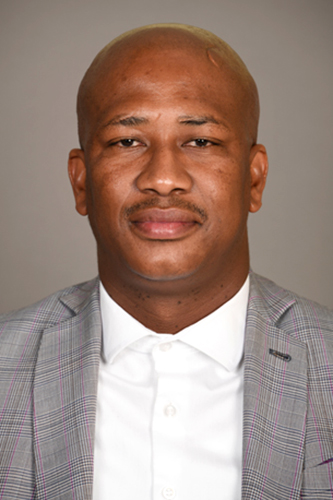
National Commissioner Mr Makgothi Samuel Thobakgale acknowledged that housing mentally ill inmates in correctional facilities places additional strain on already stretched resources. He noted that such inmates require regular monitoring and are ideally accommodated in single cells. However, the Department of Correctional Services faces significant challenges related to overcrowding and limited human resources.
“We have seen the number of declared state patients increase steadily over the last few years,” Ms Ramolobeng said. The committee was further informed that this trend is exacerbated by courts increasingly declaring individuals convicted of relatively minor offences as state patients.
In its recommendations, the committee called for quarterly progress reports on efforts to transfer declared state patients from correctional centres to appropriate health facilities where they can receive the necessary care and support.
“We want to understand what is being done to mitigate the current crisis and to facilitate the transition of state patients to mental health facilities. We expect to see clear plans, measurable outcomes and tangible progress. If no action is taken, the numbers will continue to rise, as we have already seen,” Ms Ramolobeng said.
Ms Ramolobeng added that the committee is of the view that the current situation presents a potential human rights risk. Detaining individuals declared mentally unfit in correctional environments – often for periods exceeding their sentences – undermines the spirit of the Constitutional Court’s De Vos judgment and the Mental Health Care Act.
The committee will continue to exercise oversight in this area and may pursue further engagements with relevant departments to ensure that identified gaps are addressed effectively.
Rajaa Azzakani
2 April 2026
 Arrange a tour