


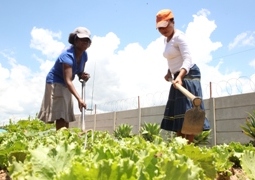
The International Rural Women’s Day debate held in the National Council of Provinces shone a light on the sorry plight of many women living in rural areas. One side of the debate praised the contribution of rural women to South Africa’s economy. While the other condemned the slow pace of their full economic emancipation.
In his contribution to the debate, the Minister of Agriculture and Rural Development, Ms Thoko Didiza, proclaimed that government has over time expanded agricultural and rural development opportunities for rural women. “Today, we recognise the contribution of rural women in shaping the future of their communities for sustainable development and the eradication of poverty.”
However, gender disparities still hamper their growth in the agricultural sector. To ensure that rural women in agriculture are part of the value chain in the sector, society should “focus its attention on investing in the empowerment of rural women in agriculture in unlocking their opportunities to finance,” she suggested.
The Minister of the Department of Cooperative Governance and Traditional Affairs, Ms Nkosazana Dlamini-Zuma, asked why rural women bear the brunt of poverty and illiteracy and lack of access to the economy, including access to digital services.
There is a need for the “realisation of women economic rights and emancipation for them to be able to control economic resources and means of production,” she said. Access to information technology is critical in achieving that because it could enable them to have access to information, knowledge and to commercial networks.
She cited the Africa Continental Free Trade Agreement as something women could use to enhance their economic activities. “Most of what will be traded through this zone would be agricultural produce and most would be produced by women.” But beyond that, there’s an intent by the Women Economic Assembly, she said, to accelerate women’s access to both the government and private sector procurement value chain. A lot has been done, but a lot more needs to be done, she said.
Member of Parliament Mr Mlindi Nhanha drew a bleak portrait of a day in the life of an uneducated and economically inactive rural women, even claiming that their lives are reminiscence of slavery. Tardy government service delivery further hampers their endeavour to improve their economic plight. He made an example of a thriving women-led cannabis production plant in the Eastern Cape and regretted that such entities have yet to receive any government capital injection but instead are subjected to tardiness in issuing of business permits and access to market.
He also criticised government for not delivering on food gardens, a sustainable project that could contribute to food security in rural areas. “It’s embarrassing to think that in the 2023/24 financial year, the Department of Agriculture initiated [only] 26 food gardens in the Eastern Cape Province as a whole.”
Critiquing the persistent and entrenched gender gap that determines access to land, another Member of Parliament Ms Lindiwe Bebee, emphasised the need for women to work within the value chain of the entire agricultural industry. In other words, government programmes should work equally to bring about gender equity in land ownership, governance and decision-making in the agricultural sector. The issue of access to resources and opportunities needs to be implemented because gender equity has been legislated in our constitution, she said.
The unequal access of rural women to power and resources militates against their development, said MP Ms Noluvuyo Tafeni. This is exacerbated by poor policy implementation, lack of adequate budget allocation and support for rural women. As a result, “The reality of black rural women is determined by their race, class and gender. This is what, in turn, determine their access to resources and opportunities.”
Government should empower rural women to be able to respond to “climate change and food security,” something the government has failed to do, claimed MP Mr Stephanus du Toit. “Many rural women in agriculture are victims of drought, heavy rains and farm attacks and murder. But they are picking the pieces to contribute to food security in South Africa.”
In conclusion, the Chief Whip of the NCOP, Mr Seiso Mohai, who was a co-chairperson of the debate, assured those who participated in it that the NCOP will reflect on the issues raised to ensure that its oversight programmes take the points made into consideration. This will ensure that the plight of rural women will improve, he said.
 Arrange a tour