


The implications of not addressing the challenges related to the provision of water in the Musina and Makhado Local Municipalities could have dire consequences for both the communities and the local municipalities themselves, that was what the Select Committee on Cooperative Governance and Traditional Affairs (CoGTA) told the leadership and the officials of the municipalities during the recent oversight visit of the committee in the Limpopo province.
Limpopo is considered a water-scarce province and was declared a disaster area in November 2015 as a result of the drought that affected most provinces across South Africa. Communities in the province continue to be affected by water-related challenges, but central to this in the Vhembe District Municipality (VDM), is the district’s delay in handing over the responsibility of water provision to the local municipalities by not allowing them to become Water Service Authorities (WSA).
In Musina, municipal officials highlighted a number of water-related challenges. These include the lack of infrastructure to cater for future developments, the absence of a planned maintenance programme and an unreliable water source. While noting these challenges, the committee conveyed its utmost discomfort with the non-compliance with national regulations and the impact of waste water treatment plants on the environment.
A member of the committee, Mr George Michalakis, said: “It is a criminal offence to pollute fresh water in this country, not just from the municipality but this is also an international boarder,” in response to hearing that the Nancefield waste water treatment discharges its effluent to the Limpopo River.
The committee noted similar challenges in the Makhado Local Municipality where an estimated 17 668 households do not have access to piped water. In fact, by 2019 the water service backlogs in Makhado Local Municipality were estimated at 35 623 households. While VDM is the Water Service Authority (WSA), as well as the Water Service Provider (WSP) that provides water to all four local municipalities (Musina, Makhado, Thulamela and Collins Chabane) within its jurisdiction, the committee was told that the VDM is in debt of R96 million to the Makhado local Municipality for the provision of water.
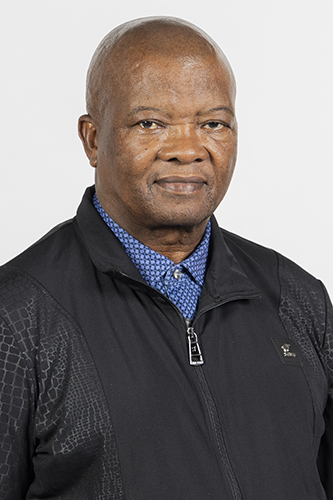
The Chairperson of the committee, Mr China Dodovu, stressed the importance of allowing local municipalities, which will bear the brunt of community protests, the opportunity to ensure that their systems are efficient and effective to address the current water challenges and allow them to devise structural plans that will ensure the long-term provision of water.
The committee said that municipalities have a constitutional mandate of improving the lives of the citizens in their communities. Mr Dodovu said that it is not only the VDM that needs to play a more active role in supporting its local municipalities, but the Provincial Department of CoGTA also needs to bring to the table its fair share. The provincial department, he said, needs to be implored to facilitate the process of maintaining and enhancing the special economic zones of the local municipalities so that the municipality can benefit and deal with its own challenges. The provincial department is further to look at strengthening the capacity of municipalities while enhancing its monitoring mechanisms to ensure that challenges are dealt with in a timeous manner, said Mr Dodovu.
The committee reiterated its message that failure to address the water challenges in the local municipalities would not only lead to community unrest, but will have dire implications for the municipalities themselves. While acknowledging the various other challenges related to mismanagement of finances, fraud and maladministration, the committee encouraged the municipalities to address the issues related to the provision of water with the utmost urgency, so as not to allow communities to suffer as the result of the failure of officials.
By Felicia Lombard
31 October 2019
 Arrange a tour