



The Portfolio Committee on Land Reform and Rural Development has learnt that the implementation of the District Six Redevelopment Plan is currently facing many challenges, including legislative gaps, family feuds, financial constraints and generational challenges.
The committee received briefings from the City of Cape Town, as well as the departments of Land Reform and Rural Development and of Human Settlement on the status report on the Implementation of the District Six Redevelopment Plan and intergovernmental coordination for the success of the project.
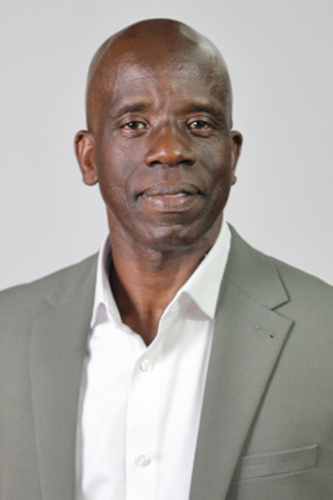
Briefing the committee on the various challenges, the Land Reform and Rural Development department, led by Deputy Minister Mr Stanley Mathabatha, said that the Restitution of Land Rights Act does not make provision for post-settlement implementation. In addition, family feuds have made the project very difficult but mediation and support is being provided when required. In addition, claimants have to be reminded continuously to update the register of any changes to their personal details.
On the status of the claims, the department said 2 760 claims were lodged before the cut-off date of 31 December 1998, but 110 of these were disqualified due to failure to meet requirements, as stated on the Act while 1 485 claimants opted for financial compensation. This number may change if claimants opt to change from the redevelopment option to financial compensation, Land Reform department reported.
The committee heard that to date, 247 beneficiaries have been allocated houses, including the 108 handed over in 2022. Meanwhile, 918 beneficiaries are still awaiting houses, which will be built over time in the ensuing building phases.
As for budget, the committee was told that an initial R333 million and a further R351 million in funding was approved for the project. A final amount of R280 million is still available for the development of the remaining houses, the department reported. However, securing a budget for the redevelopment has been a challenge.
The department indicated that in terms of role players, there is an intergovernmental technical steering committee which was established by the District Six task team as an intergovernmental forum with a responsibility to play an oversight role for the overall coordination. The task team comprises political principals from all spheres of government as the decision-making executive body and it is led by the Minister of Agriculture, Land Reform and Rural Development.
Another role player is a reference group, elected by the claimants to deal with technical matters, such as communication and social integration. There is also the District Six Beneficiary Trust, also elected by the claimants and which signed the memorandum of understanding with the city and the department in 1998 and which facilitated the development of phases 1 and 2 of the project.
The committee asked whether the department is complying with the Lollapen Judgement, which was initiated against the department by the District Six working group representing older claimants. The judgement stipulated that the department must formulate a detailed plan, including a conceptual layout of the redevelopment, in consultation with the claimant.
The committee also enquired about the pace of the project, as little over 20 per cent of the project has been completed in 25 years. Committee members strongly urged the department to find a way to correct this terrible injustice. The committee also asked for a report detailing the beneficiaries’ socioeconomic status.
Committee Chairperson Mr Albert Mncwango noted South Africa’s many acts of restitution in requiring the committee’s attention and the committee needs to have a comprehensive strategy on how to deal with them.
Malentsoe Magwagwa
14 March 2025
 Arrange a tour