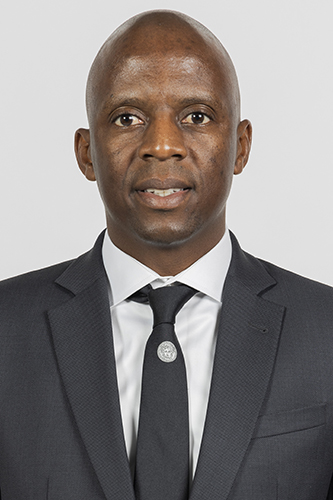




A review of regulations to allow the International Trade and Administration Commission of South Africa (ITAC) to charge fees for the issuing of permits might be on the cards, the Portfolio Committee on Trade, Industry and Competition heard yesterday.
ITAC’s Chief Commissioner Mr Ayabonga Cawe presented the commission’s annual performance plan and budget for the 2024/25 financial year to the committee. He told the committee that one of the commission’s aims is to foster economic growth and development. Another aim is to promote investment and employment in South Africa and within the Common Customs Union Area by establishing an efficient and effective system for the administration of international trade, subject to legislation and the Southern African Customs Union Agreement.
Mr Cawe highlighted that on the finance side, the budget remains constrained due to ongoing baseline reductions over the Medium-Term Expenditure Framework period. However, steps underway to finalise the Administrative Fees Recovery Project will likely alleviate some of the cost pressures, where ITAC is proposing to levy fees to reimburse it for the costs it incurs in carrying out certain functions.
He told the committee that legislation already existed to enforce such a tariff, but up to now ITAC has relied completely on government funding. However, with its growing mandate and reduced funding from government, this seems set to change. “The legislation makes it clear and the only thing left is to draft regulations stipulating how fees will be levied. Our intention is to make it applicable to only those who can afford to pay and are willing to pay,” Mr Cawe explained.
Committee Chairperson Mr Mzwandile Masina said while South Africa is pursuing a developmental agenda, it found itself now having to comply with treaties that existed as far back as World War 2. He further enquired which trade agreement negotiations are due for review in order to see if there is any way out of these agreements, so South Africa can continue with its developmental plans.
Mr Masina also raised the issue of localisation to protect the national interest, including down-streaming to local industries such as battery manufacturing. “What is the one thing we need to do, to do it better in order to benefit our people?” he asked.
Committee member Dr Mbuyiseni Ndlozi had questions about a cyberattack in January 2024 that compromised personal information after users were locked out of systems after files were encrypted by hackers. Dr Ndlozi wanted to know why ITAC took so long to inform the public about this breach.
Mr Cawe responded by saying that the ransomware attack happened on 2 January. Ransomware is malicious software designed to block a user’s access to an information system until money is paid to allow access again. According to Mr Cawe, the hackers wanted a ransom. “Firstly, we had an obligation to first find out what happened. Later, a more detailed investigation took place and around 12 weeks after the attack, we published the facts.” He emphasised that this is a quick turnaround time when compared to other bodies of the same nature around the world.
Another committee Member, Mr Malusi Gigaba, had questions about the drive to develop the region first in order for it to prosper. “I am of the view that we must build a strong local base to drive development in the region. We need to industrialise the region and create better export opportunities for ourselves, or we will continue to be the world of takers,” he suggested. He went on to say that if Africa does not have economic and global aspirations, the next generations will suffer.
Mr Cawe responded by saying that the commission is currently busy with an import sensitivity index to establish where the competition is coming from.
The committee also received a briefing from the Export Insurance Corporation of South Africa on its annual performance plans and budget for 2024/25.
Rajaa Azzakani
29 August 2024
 Arrange a tour