



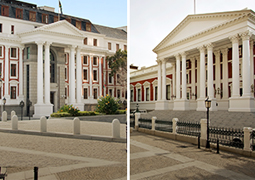
The legislative sector is gearing up to implement its constitutional role more efficiently to ensure that it is responsive to the many challenges faced by the people of South Africa. To achieve this, the effective implementation of the 7th Term Macro Framework is critical. The implementation of the macro strategy featured strongly on the first day of the 2023 Legislative Sector Development Seminar currently underway at the Sun City Convention Centre in the North West Province.
“As we chart the way forward towards the 7th Parliament term that aims to be transformative in nature it must be anchored on the utilisation of empirical evidence to guide policy formulation and decision making. We must also enhance the responsiveness of legislatures and ensure that we are accountable to the people of South Africa,” said Mr Xolile George, the Secretary to Parliament of the Republic of South Africa. Mr George also argued that achieving a transformative Parliament meant that the legislatures must chart a new direction aimed at reaching a different and higher level of effectiveness.
The 7th Parliament Term Macro Strategy identifies four critical pillars, namely the work towards transformative legislatures, achieving the objective of being a responsive legislature, collaboration with organisations that share common goals, knowledge, resources and competencies as well as effective stakeholder engagement.
In achieving these objectives, legislatures must question the role of oversight when government departments return huge amounts of funding to the fiscus despite the lack of water, sanitation and many critical service delivery areas that remain largely underserviced.
One of the critical milestones highlighted by the macro framework is the development of an impact assessment framework for Bills passed in Parliament to assess if they are making structural differences to the daily lives of the people. “We must as legislatures assess if the Bills we pass are having the desired impact on the ground or they are just nice to have pieces of legislation” added Mr George.
Considering various court decisions that have found Parliament wanting regarding the constitutional imperative of public consultation, the sector is moving towards incorporating the use of technology to ensure that the identified gap is closed. “Legislatures must to a greater extent harness the utilisation of technology to enhance effective public participation and oversight. If we do this effectively, we will take a giant step in closing a major shortcoming within the sector,” Mr George emphasised.
But achieving this relies on the sector having adequate budgets to run effective oversight programmes. Numerous participants raised their concerns that legislatures ended up having to “rob Peter to pay Paul,” to run effective public participation programmes, leaving many of the planned projects in the lurch.
Despite the many challenges facing the sector, there was an agreement that the legislative sector must work differently to improve the waning public trust in public institutions like Parliament and this will be achieved by effectively implementing the macro framework. The seminar aims to provide leadership towards resolving the challenges raised by participants.
Malatswa Molepo
8 August 2023
 Arrange a tour