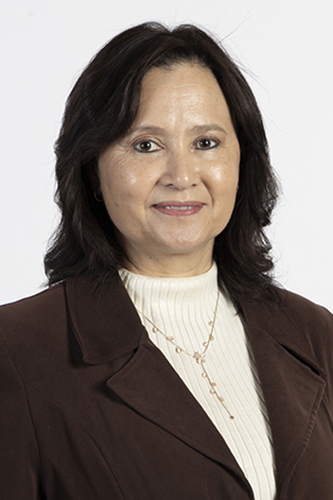




The test of democratic institutions lies not only in the laws and policies they adopt, but in how effectively those commitments are implemented to improve the lives of citizens, Speaker of the National Assembly Ms Thoko Didiza said on Tuesday.
Addressing the General Debate of the 153rd Inter-Parliamentary Union (IPU) Assembly in Arusha, Tanzania, Speaker Didiza said many countries had established laws, policies and institutions to advance inclusion, equality and participation, but continued to face a critical gap between commitments and delivery.
“Many countries today do not suffer from a shortage of laws, policies, or institutions. Nor is there a shortage of commitments to inclusion, equality and participation. The challenge is implementation and enforcement,” she said.
This gap is contributing to declining public confidence in democratic institutions, Speaker Didiza said, stressing that citizens judge institutions by the quality of services they receive, how public resources are managed and whether leaders are held accountable. “Trust itself cannot be legislated. Citizens earn it when they see public resources used responsibly, services delivered effectively and leaders held accountable for their actions,” she said.
She identified transparency in the use of public resources, accountability and the fight against crime and corruption as important areas in strengthening confidence in democratic institutions.
Speaker Didiza also highlighted the value of parliamentary diplomacy and international cooperation in enabling legislatures to learn from one another and develop practical responses to common challenges.
“Through parliamentary diplomacy and global platforms like the IPU, we have a unique opportunity to learn from one another’s successes and shortcomings, sharing practical models that close the gap between policy intent and public reality,” she said.
Strengthening democratic resilience
Speaker Didiza cautioned that confidence in democratic institutions would remain under pressure where corruption, exclusion, violence and inequality persist. These challenges are compounded by wider global pressures, including the rising cost of living, climate change and geopolitical tensions, she noted.
Against this backdrop, Ms Didiza stressed the importance of multilateralism and noted that the scale and interconnectedness of these challenges means that no country can address them in isolation.
Reflecting on South Africa’s democratic experience, Speaker Didiza said the country has built strong democratic institutions, an independent judiciary, a vibrant civil society and a constitutional framework that protects the rights and freedoms of all people.
She highlighted the country’s public-finance and accountability framework, including the Public Finance Management Act and the Money Bills Amendment Procedure and Related Matters Act as important mechanisms for promoting responsible management of public resources. The Speaker also emphasised the importance of public participation in strengthening the relationship between citizens and democratic institutions.
Appreciation to outgoing IPU President
On behalf of the Parliament of the Republic of South Africa, Speaker Didiza extended appreciation to Dr Tulia Ackson, the outgoing IPU President, for her leadership, dedicated service and contribution to strengthening the organisation.
The 153rd IPU Assembly is being held in Arusha under the theme: “Enhancing good governance and empowering communities through inclusivity, trust and opportunities for all”.
The IPU is the global organisation of national parliaments and provides a platform for parliamentary diplomacy and cooperation on issues including peace, democracy, human rights, gender equality, youth empowerment, climate action and sustainable development.
Malatswa Molepo
7 October 2026
 Arrange a tour