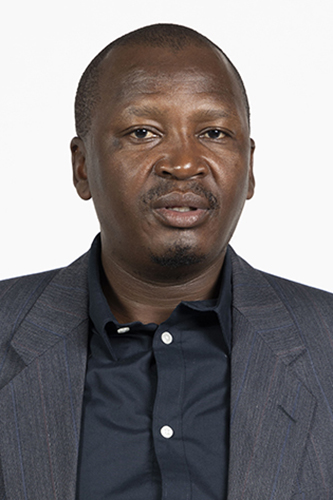



Parliament’s Section 89 Impeachment Committee has moved closer to launching a formal inquiry into the President, with Chairperson Mr Makashule Gana saying at a briefing that the committee has finalised more than 80% of its terms of reference while public hearings remain stalled by a pending court review.
The latest development is the committee’s decision to reopen nominations for an Evidence Leader after objections from the President and legal advice from Parliament’s Legal Services prompted members to rescind an earlier recommendation.
Evidence Leader decision becomes key development
At its latest meeting, the committee reconsidered its 5 August decision to recommend Adv Thandazani Madonsela SC for the Evidence Leader role. Members were asked either to confirm the original recommendation or rescind it and reopen the process.
By majority vote, the committee opted to rescind the recommendation. Political parties now have until Friday to submit further names, while Legal Services has been asked to reconfirm the availability of previously nominated candidates.
Mr Gana said the decision was intended to strengthen the integrity of the process and reduce the risk of avoidable legal challenges once the inquiry moves into its next phase.
Court review keeps public hearings on hold
The committee’s preparations are taking place against the backdrop of ongoing litigation. The President previously sought to suspend the parliamentary process pending the outcome of his review application and obtained an interim court order preventing the start of public impeachment hearings.
Mr Gana said the interdict applies only to public hearings and does not prevent the committee from continuing with preparatory work, including finalising procedures, addressing legal concerns and preparing for the possible presentation of evidence.
The Western Cape High Court is expected to hear the President’s substantive review application, after which the committee will decide how to proceed.
Constitutional Court ruling forced Parliament’s hand
The committee was established after the Constitutional Court’s 8 May 2026 judgment declared Rule 129I of the National Assembly Rules unconstitutional and invalid. The Court also set aside the National Assembly’s 2022 decision not to refer the Section 89 Independent Panel report to an impeachment committee.
The ruling directed Parliament to establish a committee in line with its Rules, placing the National Assembly back at the centre of one of its most serious constitutional oversight responsibilities. The committee must determine whether the President has committed a serious violation of the Constitution or the law, engaged in serious misconduct, or is unable to perform the functions of office.
“The process must satisfy two requirements at the same time,” Mr Gana said. “There must be accountability, but there must also be fairness and due process.”
Committee says it is nearly ready
Since 1 June 2026, the committee has focused on building the procedural framework for the inquiry. That includes setting out how evidence will be presented and tested, defining the role of the Evidence Leader, regulating the participation of the President and witnesses, and guiding how committee members will consider evidence.
According to Mr Gana, only a small number of matters still need to be resolved before the terms of reference are completed. He said the committee has taken a deliberate approach to ensure the process is credible, transparent and legally defensible. He added that members from different political parties had been given opportunities to contribute, with decisions taken in line with parliamentary rules where consensus could not be reached.
Next steps depend on the court
If the review application is unsuccessful and no further court order prevents the inquiry from proceeding, the committee expects to be ready to move to the next phase, including the consideration of witnesses and evidence. If the court rules otherwise, Mr Gana said the committee will study the judgment, obtain legal advice and act accordingly.
“If we do not adhere carefully to the Constitution, the Rules and the law, we expose the process to further legal challenges,” he said. “It is better to deal with these procedural issues now than risk complications later.”
Closing the briefing, Mr Gana said the committee remained committed to a process that is transparent, legally sound and able to withstand public and judicial scrutiny. He acknowledged the work of parliamentary support staff, the Office of the Speaker, committee teams and other officials involved since the committee’s establishment.
“The preparatory work of the past three months has been important in ensuring that Parliament is ready to fulfil this constitutional responsibility,” he said. “Our aim is to put in place a process that both Parliament and the public can have confidence in.”
 Arrange a tour