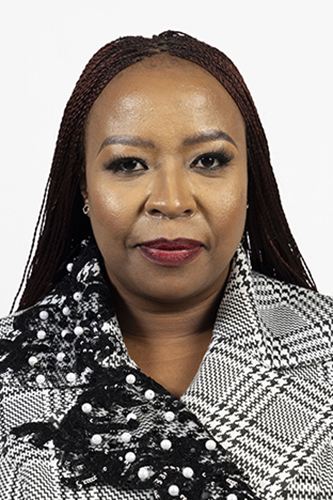



The Portfolio Committee on Electricity and Energy met with the Department of Electricity and Energy this week to receive a briefing on the department's plans to implement the crucial energy commitments outlined in the 2025 State of the Nation Address (SONA).
Briefing the committee, the department's leadership, including the Minister and Deputy Minister, presented an overview of the five strategic priority areas that will guide the department's work over the next five years. These priorities range from achieving universal access to electricity, attaining sovereign and regional energy security, driving industrialisation and innovation, transforming the sector's demographics, to asserting South Africa's global leadership in energy.
The department detailed specific initiatives underway to deliver on the SONA commitments. These include reducing load-shedding, mobilising private investment for transmission network expansion, developing a competitive electricity market, implementing a just energy transition plan, significantly upscaling renewable energy, advancing the nuclear new-build programme, restructuring the electricity distribution industry, and stabilising Eskom's finances and operations.
A key area of focus was the department's plans for the nuclear new-build programme. Committee members sought clarity on the pace and scale of this programme and its affordability for the country. There were concerns that the department's ambitions may not align with the realistic "pace and scale" that the country can afford, as stipulated in the current Integrated Resource Plan (IRP). The committee underscored the need for the department to ensure a measured, affordable approach to nuclear expansion, with proper preparatory work and stakeholder engagement undertaken before any major procurement decisions.
Another major area of discussion centred around the department's plans for a just energy transition, particularly in supporting coal-dependent communities affected by the decommissioning of coal power plants. Committee members stressed the importance of thorough socio-economic impact assessments and comprehensive transition plans to mitigate the devastating effects on local economies and livelihoods. Members cautioned against a repeat of the Kusile experience, where the closure of power stations had severe, lasting consequences for surrounding towns. The committee highlighted that the transition away from coal must be accompanied by concrete, well-resourced interventions to create alternative economic opportunities and support affected workers and communities.
The department's gas-to-power programme also came under scrutiny, with committee members seeking clarity on the gas supply sources and pricing models to ensure affordability for both industry and households. There were concerns that the department's ambitious targets for gas-fired generation may not be matched by the availability of competitively priced gas, given the country's reliance on imports and the volatility of global gas markets. Members urged the department to expedite the development of domestic gas resources, such as shale gas and coal bed methane, to bolster energy security and pricing stability.
The financial sustainability of the electricity distribution industry also emerged as a focus area. The committee highlighted the urgent need to address the crippling municipal debt owed to Eskom. Members indicated that resolving this crisis is crucial not only for Eskom's viability but also for ensuring an affordable and reliable electricity supply to consumers. The committee called for concrete, time-bound interventions to recover municipal debt and stabilise the distribution sector, as inefficiencies and mismanagement have plagued many municipalities.
The members recommended that the department provide more detailed, regular updates on the various initiatives as they unfold, allowing for closer parliamentary oversight and input. The committee also urged the department to undertake extensive public consultation and stakeholder engagement, particularly on critical issues like the nuclear program and just transition plans.
Yoliswa Landu
21 February 2025
 Arrange a tour