



The Portfolio Committee for Electricity and Energy yesterday welcomed presentations from the National Energy Regulator of South Africa (NERSA) and the South African National Energy Development Institute (SANEDI) on their annual performance plans (APP) and budgets for the 2024/25 financial year.
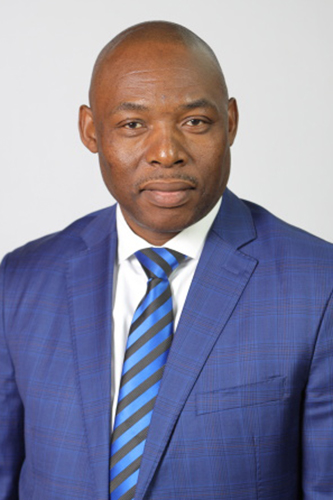
Presenting NERSA’s APP and budget, its Chairperson, Mr Thembani Bukula, highlighted the regulator’s commitment to its independent mandate, as outlined in the National Energy Regulator Act. He stressed that this independence is vital for fostering transparency and accountability, which in turn builds trust among stakeholders.
He told the committee that for the upcoming fiscal year, NERSA anticipates a revenue increase of R22 million to R398 million from the previous year’s budget of R376 million. The operating expenditure budget is set at R468 million, with a significant focus on enhancing technological capabilities through software and online data subscriptions. Additionally, a capital expenditure of R17 million is earmarked for strengthening ICT infrastructure.
He also informed the committee that NERSA identified several key challenges for the upcoming year, including rising electricity prices, non-payment by municipalities and damage to infrastructure. In the piped-gas sector, unforeseen global price surges and insufficient local supply present additional hurdles. Furthermore, the petroleum pipelines industry is facing project delays and an increasing reliance on imports.
To address these challenges, he said NERSA is advocating for swift legislative amendments and increased investment in energy infrastructure. The regulator is also focused on enhancing dispute resolution frameworks to better serve stakeholders.
Members of the committee expressed their concerns about the lack of an implementation date for the recently signed Electricity Regulation Amendment Act. The committee also highlighted the absence of clear performance targets in NERSA’s presentation, making it difficult to assess the regulator’s past performance and future plans. Issues were raised regarding the rationale behind the 10% increase in electricity licence fees, which is significantly higher than increases in other licence fees.
Committee members also expressed concern over the substantial increase in office administration costs and other expenses, seeking clarification on the reasons behind these increases. They inquired about the amount NERSA is spending on legal costs and the success rate of its legal actions. Additionally, questions were raised about the representation of young people and people with disabilities within NERSA’s workforce, as well as the effectiveness of learnership and internship programmes.
Concerns were also voiced regarding the effectiveness of NERSA's proposed engagement with law enforcement to address infrastructure damage, with suggestions to explore alternative protective measures. The committee emphasised the need for NERSA to enhance its dispute resolution frameworks without waiting for legislative changes. Furthermore, members raised concerns about the financial viability of municipalities and their ability to pay for bulk electricity services, calling for a more holistic approach to address these issues.
Turning to SANEDI, the committee welcomed SANEDI's focus on commercialising new activities and establishing a Centre for Energy Systems Analysis and Research. The committee questioned the significant jump in employee costs and the high proportion of the budget allocated to administrative expenses, which committee members felt should be more focused on service delivery and outputs.
Members of the committee asked whether the Department of Science and Innovation had signed off on SANEDI’s targets and queried the rationale behind the lack of performance targets in several subprogrammes. The committee also had concerns about SANEDI’s reliance on donor funding and the potential influence this could have on its policy direction. Other questions were raised regarding SANEDI’s role in energy data management and whether it could serve as a central repository for research to avoid duplication of efforts across various entities.
The committee emphasised that access to energy and affordability remain a priority, urging SANEDI to consider innovative solutions to address challenges in this area. They also called for a more proactive approach to engaging with stakeholders and communities to rebuild trust in the energy sector.
In response, both NERSA and SANEDI acknowledged the committee’s concerns and committed to providing further clarity and detailed responses in due course. The regulators emphasised their dedication to transparency and effective regulation as they move forward with their plans for the 2024/25 fiscal year.
Yoliswa Landu
23 August 2024
 Arrange a tour