



The Portfolio Committee on Communications and Digital Technologies has underscored the critical importance of stable and permanent leadership in addressing the persistent systemic challenges facing the Universal Service and Access Agency of South Africa (USAASA) and the Universal Service and Access Fund (USAF). The committee expressed this view during an oversight visit to USAASA on 28 January 2026.
USAASA is a state-owned entity reporting to the Department of Communications and Digital Technologies, mandated to promote universal access to information and communication technologies, with a particular focus on poor, rural and marginalised communities.
The committee resolved to undertake the oversight visit in recognition of the urgent need for clear strategic direction, sound governance and leadership stability within the entity to ensure alignment with national priorities, including universal broadband access and digital inclusion. It noted that, in the absence of institutional stability and a coherent long-term strategy, USAASA risks failing to fulfil its mandate of bridging the digital divide and ensuring that public investment yields tangible socio-economic benefits.
Following engagements with the Board, executive management and staff, the committee expressed serious concern about the prolonged instability in leadership and governance at the institution. In its view, this ongoing instability undermines institutional performance, weakens accountability and impedes the effective delivery of USAASA’s mandate to advance universal connectivity.
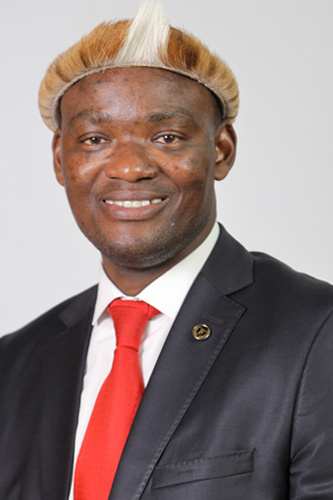
The oversight visit, led by the committee Chairperson, Ms Khusela Sangoni-Diko, focused on governance and institutional stability, financial management and audit outcomes, the operations and programme delivery of the USAF, operational realities, and persistent challenges related to poor project planning and implementation. Of particular concern to the committee are recurring delays in project implementation, which frequently result in unspent allocations intended to benefit underserved communities.
Members of the committee noted with alarm that USAASA has been governed by successive interim boards since 2018. This prolonged reliance on temporary governance arrangements, coupled with the extensive use of acting appointments at executive level, including that of the Chief Executive Officer, has created uncertainty and weakened strategic leadership. While the committee noted that the Board has undertaken to consider a project implementation plan for the appointment of a permanent CEO at its next meeting, it emphasised that decisive action is long overdue. The committee welcomed the Board’s commitment to making the recruitment plan public, stressing that transparency is essential to restoring confidence in the institution.
The committee also engaged with staff and gained insight into the significant operational challenges they face. Staff members raised serious concerns regarding the lack of basic tools of trade, reporting that essential equipment such as laptops and cellphones were last issued approximately 10 years ago. Despite these constraints, the committee commended staff for their continued dedication and commitment to fulfilling the institution’s mandate under extremely difficult circumstances.
The committee reaffirmed that it will continue to exercise rigorous oversight and expects clear, time-bound interventions to address the concerns raised. It remains resolute in its commitment to ensuring that public resources are managed responsibly and that entities under its oversight are stable, capable and fit for purpose.
Justice Molafo
29 January 2026
 Arrange a tour