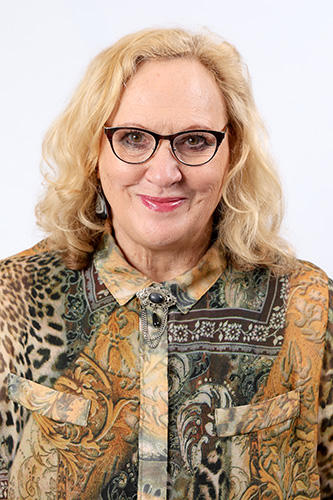
The Chairpersons of the Social Services Cluster, which includes the Portfolio Committee on Higher Education and Training; the Select Committee on Education, Science and Creative Industries; and the Portfolio Committee on Social Development briefed the media and other stakeholders yesterday on the key issues dominating in their agendas in the second parliamentary term, emphasising their oversight strategies and plans to deal with them.
The Chairperson of the Portfolio Committee on Higher Education and Training, Mr Tebogo Letsie, gave an update on the ongoing misunderstanding surrounding the appointment of the SETA board chairpersons, payment of accommodation providers by NSFAS and the appointment of foreign nationals to jobs in institutions of higher learning, among other things.
Speaking about developments on the process to appoint SETA accounting authorities, Mr Letsie said the Minister of Higher Education furnished the committee with a list of members of an independent panel for the appointment of accounting authorities for SETAs, NSFAS, National Skills Fund, university councils and TVET colleges councils, but some names on the list were concealed.
He said the committee questioned the independence of the panel after it emerged that the list contained names of the Minister’s advisor, chief of staff in the office of the Minister and other departmental officials. One of the people on the list denied that he was ever part of the panel, which raises more questions.
The committee has also resolved to write to all the panel members to invite them to submit all correspondence between themselves and the Minister, including their acceptance to be panelists, terms of reference given by the Minister and expected roles as panelists, as well as remuneration, if any, for services rendered in their capacity as panel members.
According to Mr Letsie, the Minister will be invited with all the panelists to appear before the portfolio committee to account on the appointment of SETA accounting authority chairpersons.
Giving an update on developments at NSFAS, he said the committee has welcomed a commitment by NSFAS to embark on a roadshow to engage accommodation providers to resolve the payment challenges and that will be under oversight monitoring scrutiny of the committee.
On internationalisation of higher education, Mr Letsie highlighted legislation and policies that govern and regulate how institutions of higher learning should attract and retain international talent and that the committee calls on the department to implement the existing legislation. He said the committee believes that higher education cannot survive without internationalisation. He emphasised adherence to legislation to ensure that does not impact negatively on South Africans.
The Chairperson of the Selection Committee on Sciences and Creative Industries, Mr Makhi Feni, spoke about the recent floods that resulted in the death of learners in the Eastern Cape and school infrastructure damage. He extended the committee’s heartfelt condolences to families that lost their children during the floods.
He said the committee has requested full reports from the relevant authorities including the disaster management report that will inform the committee about the damage, particularly to school infrastructure. He assured the media and stakeholders that the funds that will be allocated for the restoration of the damaged infrastructure will be closely monitored, working together with the office of the Auditor-General to make sure every cent is accounted for.
Mr Feni also shared the committee’s observations on the implementation of the Bela Act in the provinces. He commended the work of the Department of Basic Education in the provinces. He said the committee will continue to monitor progress and will also focus on learners with disabilities and special needs, both at the ECD centres and schools.
He said the committee is concerned about the reported development of guidelines by those opposed to the BELA Act that seek to make the implementation of the Act non-compulsory. The committee seeks greater clarity on this, as the Act is not optional; it is a law of the republic that all schools must be open for all children, regardless of class or race.
The Chairperson of the Portfolio Committee on Social Development, Ms Bridget Masango, raised the committee’s concerns about the recent conditions imposed on the South African State Security Agency (SASSA), as well as the inadequate funding of the Central Drug Authority, a government entity established to fight drug and substance abuse.
She said the committee was concerned about the impact of these conditions on the disbursement of social grants to millions of beneficiaries who rely on these grants for survival. She said the strict conditions attached by the National Treasury on the allocation of funds to SASSA include quarterly reporting on suspended, cancelled or reviewed grants; income verifications including cross-checks with South African Revenue Service, the NSFAS, the Unemployment Insurance Fund, the Department of Home Affairs, as well as biometric authentication for beneficiaries flagged as suspicious.
National Treasury, on the other side, argues that these steps are essential to combat fraud and ensure value for money, and failure by SASSA to comply with these conditions might result in grants funding being withheld. Ms Masango said the committee is deeply concerned about these conditions, not because it opposes fraud prevention but because the current implementation is causing untold delays, confusion and deep distress among beneficiaries, the Chairperson explained.
Ms Masango said the delays in grant payments are leaving many beneficiaries in limbo, unable to buy necessities like food or transport. Ms Masango argues that the requirement for verification was disproportionately disadvantaging rural communities and the elderly caregivers who simply cannot afford to travel.
The committee has called for accessible alternatives to do verification for rural and remote communities, such as mobile units and community outreaches to be prioritised. It believes no cost saving should come at the expense of people’s livelihoods.
According to Ms Masango the committee acknowledged the R1,6 billion increase in the 2025/26 budget grant to fund the inflation increases and noted SASSA’s intensification of efforts to fight fraud, such as the rollout of biometric systems.
Another big concern for the committee is the scourge of substance and drug abuse in society, especially among young people, and it is also concerned that Central Drug Authority remains dependent on the Department of Social Development for finances, which the Chairperson said undermines the agency’s ability to operate independently across government.
Ms Masango said the lack of a dedicated budget line item makes the authority unfit for purpose, especially in achieving the governance and oversight roles outlined in the National Drug Masterplan. The committee calls for the enforcement of laws on alcohol sales to minors and for corruption in liquor licensing to be rooted out.
Sakhile Mokoena
23 June 2025
 Arrange a tour