


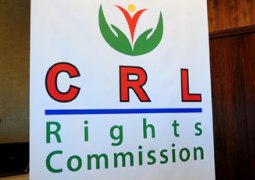
The Multi-Party Women’s Caucus on Friday deferred an engagement with the Commission for the Promotion and Protection of the Rights of Cultural, Religious and Linguistic Communities (CRL Rights Commission) to a later date to allow for thorough deliberation on issues relating to harmful and violent practices reportedly carried out under the guise of religion, culture and tradition.
The Chairperson of the committee, Ms Lindelwa Dunjwa, said the meeting was aimed at helping the committee better understand the prevalence of such practices, the provinces and hotspots that are most affected and the challenges the Commission faces when engaging religious, cultural and linguistic institutions. “We are not calling you here to account, she said. We are calling you here to empower us.”
Ms Dunjwa said the committee is interested in issues such as the drivers of violence and the possible role of a self-regulatory framework that may include registration, a code of conduct and enforcement mechanisms, among other things.
Members emphasised that the information would enable them to conduct more informed oversight and, where necessary, engage relevant government departments such as the police or justice ministries on concerns raised by communities and stakeholders.
The Commission briefed Members on its proposed strategies and frameworks to address reported abuses within religious and cultural institutions. These cases include gender-based violence and femicide in sacred spaces, financial exploitation, harmful cultural practices and weaknesses in the regulation of religious and cultural practitioners.
The Chairperson of the CRL Commission, Ms Thoko Mkhwanazi-Xaluva, told the committee that it supports a self-regulatory model for religious, cultural and linguistic communities. This mode, she said, could include councils for different faith communities, codes of conduct, vetting, monitoring and disciplinary mechanisms.
“This is for the religious sector and by the religious sector. We are also of the strong opinion that these proposals will not violate the freedom of religion of any faith group,” Ms Mkhwanazi-Xaluva said.
She told Members that the proposed framework is intended to protect vulnerable people while respecting constitutional rights to freedom of religion, culture and association. Ms Mkhwanazi-Xaluva, however, stressed that those rights may not be exercised in a manner inconsistent with the Bill of Rights.
Among the reports the Commission shared with the committee are cases where congregants are allegedly told to stop taking their chronic medication and buy holy water or anointing oil. The committee also heard that in some cases, congregants must submit payslips to verify tithes or surrender property to religious institutions. There were also cases cited of sexual and physical abuse allegedly committed under the pretext of spiritual or cultural authority.
The committee heard that the Commission is establishing a process to consult victims and survivors of gender-based violence and femicide in cultural and religious settings. “No cultural or religious justification may override constitutional rights,” said Ms Mkhwanazi-Xaluva.
Members welcomed the presentation but said the issues were too complex and sensitive to be dealt with in a rushed manner. They agreed that written questions should be sent to the Commission and that a further physical engagement should be arranged.
The Chairperson said the committee did not want to ask questions merely for the sake of asking questions and would rather allow for a more thorough engagement. The committee noted that the matter may also require the involvement of other parliamentary committees, including those dealing with health and cooperative governance, given the cross-cutting nature of the issues raised.
“This is not just a presentation for the sake of a presentation. It needs time,” the Chairperson said.
Alicestine October
5 June 2026
 Arrange a tour