



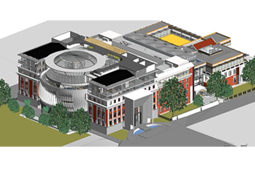
The Joint Standing Committee on Financial Management of Parliament on Friday received progress updates from various entities about the investigation into the 2022 fire incident that destroyed Parliament buildings and the ongoing restoration project.
The Directorate of Priority Crime Investigation (the Hawks) gave a presentation about the events surrounding the fire, while the Secretary to Parliament, the Development Bank of Southern Africa (DBSA) and the Auditor-General briefed the joint committee on the reconstruction of Parliament’s buildings.
Members of the committee asked if the investigation has been broadened beyond the arrested suspect, to establish whether other individuals or organisations were involved in the security breach that led to the suspect gaining access to a national key point and setting fire to it.
The Hawks confirmed that its investigation went beyond the arrested suspect, Mr Christmas Mafe, and that several individuals have provided statements while digital forensic teams have provided affidavits. However, there is no information available at this time linking other individuals or organisations with Mr Mafe. Should new leads emerge, investigators will follow up and submit updates to Parliament.
As for the restoration project, the committee heard that it is estimated that the total project will cost an estimated R4,4 billion and to date over R500 million has been spent. The joint committee noted that it will not entertain any excuses if the projected competition date of November 2026 is not adhered to. “We are intolerant of lousy excuses about the project not completed on time. We cannot easily take excuses about the weather, unless it is something unexpected. We all know Cape Town weather, so we need to plan accordingly,” warned co-Chairperson of the committee, Mr Soviet Lekganyane.
The joint committee was also concerned about the amount of the committee’s time being taken up by the restoration project that should rather be directed to the core business of Parliament – that is law-making and public participation.
“We are not here to supervise the restoration project; our job is to pass laws that benefit the people and make sure the citizens are involved in legislative processes for the development of the country. We cannot spend five years discussing the restoration project. We will be failing on our responsibilities,” Mr Lekganyane said.
Meanwhile, the Auditor-General briefed the committee on the financial management of the project, including whether Parliament would benefit from real-time audits, as the project falls outside its usual operations.
The AG said it has incorporated the auditing of the rebuild project into the yearly auditing processes, as it will recur in the budget for several years, and no formal request has been received from Parliament’s executive authority for a real-time audit of the project.
According to the AG, a real-time audit is an early audit process aimed at preventing, detecting and reporting on findings to ensure that the accounting officers and/or executive authority can respond immediately to any weaknesses in controls to prevent any potential mismanagement of financial resources.
Sakhile Mokoena
28 July 2025
 Arrange a tour