



Though South Africa has made significant progress in promoting the rights of children since 1994, many children continue to experience hardship and poverty, said the House Chairperson for Committees and Oversight in the National Assembly, Mr Cedric Frolick. Delivering the opening remarks, on behalf of the Speaker, at the Nelson Mandela Children’s Parliament at the Good Hope Chamber, in Parliament, Mr Frolick said Parliament was aware that progress in improving the lives of South Africa’s children has been uneven.
The Nelson Mandela Children’s Parliament was jointly organised by Parliament, the Department of Social Development, the Nelson Mandela Children's Fund, and the Save the Children South Africa.
Some of the progressive policies to improve the rights of children listed by Mr Frolick included ensuring that all children are in places of learning; the provision of no-fee schools; school nutrition programmes; access to primary healthcare for parents and children; and the allocation of resources for safety and awareness on children’s rights and social services.
“Nevertheless, we are acutely aware that progress has been uneven. Many children continue to experience hardship, struggling with poverty at home or attending schools that are far away and lack the necessary resources and facilities. There are still cases of children who are subjected to bullying and other forms of violence. Many children miss school because of health reasons,” he said.
The House Chairperson added that Parliament was also aware of the argument that government intervention to address children’s needs remains fragmented between departments, across provinces and in some cases in oversight. “Parliament and its partners have recognised the imperative of better planning, development and budgeting to ensure that scarce resources are optimally invested and managed.
“We also support any initiative that seeks to expand the involvement of children in the decision-making process about their lives and their future. The discussions today are valuable for plotting the future of the country,” Mr Frolick said.
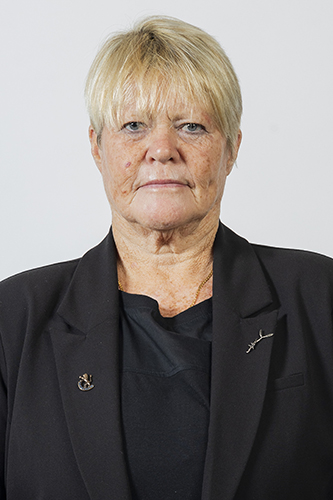
The Chairperson of the Portfolio Committee on Social Development, Ms Bridget Masango, commended the Children’s Parliament initiative and advised that it must be a platform for accountability rather than simply a calendar event. She also noted that Parliament must continue to make laws that seek to protect the rights of children and ensure every child grows in a safe, nurturing and empowering environment. “Our policies and programmes must reflect the realities lived every day, every decision we make in Parliament must serve the best interest of the child,” she suggested.
Ms Megan Briede from Save the Children South Africa said the children’s voices presented the country with wisdom, courage and honesty. “For far too long, adults believed that children must first grow up before having an opinion. However, change doesn’t wait for age, it waits for courage – leadership is not about how old you are; it is about how bold you are,” she said.
A representative from the Nelson Mandela Children’s Fund, Ms Samukelisiwe Mnguni, said it was important for South Africa to create platforms and initiatives that will make sure that children are not only beneficiaries of policy but also partners in shaping policies that affect them. She said service delivery and budgeting must be informed by lived experience of young people.
United Nations Children’s Fund Deputy Country Representative Mr Irfaan Akhtar joined those who commended Parliament for providing an opportunity for the children to deliberate on issues affecting them, adding that children’s rights are central to any country’s democracy.
Some of the topics discussed in the Nelson Mandela’s Children’s Parliament included teenage pregnancy and sex education, gender-based violence, substance abuse and climate change.
Sakhile Mokoena
11 October 2025
 Arrange a tour