


The re-evaluation of the quintile system used to rank schools according to the average income of the communities they serve, so that parent can receive bigger subsidies was high on the agenda yesterday during the Portfolio Committee on Basic Education’s oversight visit to schools in the Namaqua Education District in Springbok, Northern Cape. The committee is currently on a two-day oversight visit in the province.
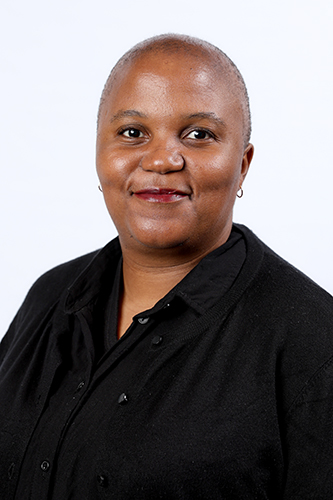
Explaining the purpose of the committee’s visit to district and national Department of Basic Education officials, the Chairperson of the committee, Ms Joy Maimela, said that the primary purpose of the visit is to assess the state of schooling in the province and schools’ readiness for the upcoming National Senior Certificate (NSC) examinations in 2024.
She said that in addition to focusing on school and learner readiness for the exams, the committee is monitoring curriculum support and the various interventions available to support and improve learners’ performance in science, technology, engineering and mathematics (STEM) subjects.
The committee is also focused on infrastructure (pit latrines, access to water, unsafe structures and ICT integration), Grade R/early childhood development site monitoring following the department migration shift of 2022, learner–teacher support material delivery, nutrition, learner transport, special schools support and inclusive education.
Yesterday, the committee visited three schools – Kharkams Combined School, Nababeep High School and Matjieskloof Intermediate School. Ms Maimela said the quintile system in some of the schools should also be reassessed. “You cannot have a quintile 4 or quintile 5 school in poor communities, as that disqualifies them for subsidies that they should get. No child should be disadvantaged on poverty grounds,” she emphasised.
Ms Maimela also said that the committee had noted some well-maintained and clean schools that are using their budget well. However, the committee noted with concern that some schools do not have proper laboratories or computer rooms with the required resources. These resources include tablets that were stolen some years ago. The committee also noted that infrastructure and hostels are not maintained. “These conditions are troubling. This is worrying and must be addressed,” Ms Maimela said.
Committee Member Ms Reneiloe Mashabela asked questions about the language policy at schools using Afrikaans as the medium of instruction. The committee was informed that Afrikaans is the preferred language of the majority of learners in schools where it is the medium of instruction. The committee said there must be a plan in place to accommodate a learner who is unable to speak Afrikaans to ensure that Afrikaans does not make schools inaccessible to certain children.
Committee Member Ms Delmain Christians highlighted that many of the challenges facing schools are due to the resource allocation they receive from the Northern Cape Education Department. “They receive a cut from the conditional grants. If they are underfunded, it’s because of funds that they receive.”
Another Committee Member, Ms Pretty Xaba-Ntshaba, was concerned that the allocation for the nutrition programme for this quarter had not yet reached the schools. “What are the learners eating. These are poor communities,” she asked. She also questioned the state of the facilities in the hostels, which were clearly not being maintained to the level they should be.
Ms Maimela commended Nababeep High School for increasing the Grade 12 learner performance from 40% two years ago to 83% last year. “We want them to increase it even further above 90%.”
The issue of the lack of security guards at schools was also highlighted. “We noted with concern the absence of the officials of the provincial Department of Basic Education today during our visit. We maintain that they should have at least sent a representative to answer our questions directed at the provincial department,” Ms Maimela noted. Education officials from the district and DBE accompanied the committee.
Rajaa Azzakani
8 October 2024
 Arrange a tour