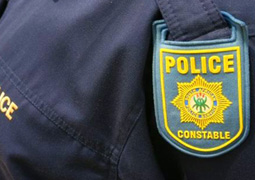
The Ad Hoc Committee to Investigate Allegations made by KwaZulu-Natal South African Police Service Provincial Commissioner Lieutenant-General Nhlanhla Mkhwanazi last week agreed that its final report may make findings on governance and institutional failures but cannot determine criminal guilt or innocence.
The issue dominated deliberations on the committee’s fourth draft report, almost 800 pages long, which committee members had to work through.
Referring to a letter from the Democratic Alliance to the committee, Adv Glynnis Breytenbach cautioned that the committee was not a criminal investigative body and should not present disputed allegations or conjecture as fact. Other parties agreed that criminal guilt fell outside the committee’s mandate, but stressed that this did not prevent Parliament from evaluating evidence and making findings within its oversight mandate.
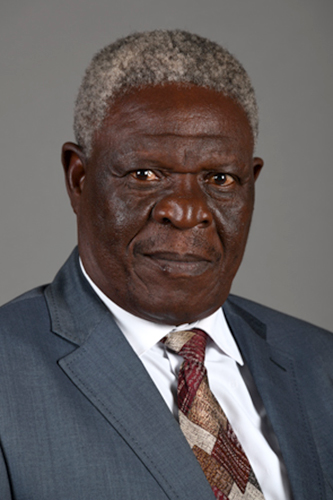
The Chairperson of the committee, Mr Soviet Lekganyane, said the committee had to remain within the law while still fulfilling the mandate given to it by the National Assembly. “What the DA raises in the letter concerns the principles and standards that it believes should guide the committee in dealing with the report. Those concerns can be addressed when we consider the relevant sections of the draft report,” he said.
“What is important is that, when we began this process, we agreed on the principles upon which the committee’s work would be grounded. We are a constitutional democracy governed by the rule of law. If something is permitted by law and falls within the mandate given to us by Parliament, then we must perform that responsibility. Parliament has mandated this committee to investigate these matters, and we must do that work with integrity,” the Chairperson said.
He reminded the committee that the public is waiting to hear the findings and the interventions it recommends to improve the functioning and integrity of the criminal justice system. “Whatever conclusions we eventually reach must be consistent with the principles and values of the Constitution. This committee cannot become a laughing stock,” he said.
The Chairperson, however, said that the committee could not avoid identifying wrongdoing where it was supported by evidence. “Where wrongdoing or institutional failure is supported by the evidence, the committee must be able to say so clearly and unambiguously. That principle must also apply to the committee itself,” he said.
Members asked the drafting team to reconsider wording that may suggest the committee could “determine” corruption, and instead use alternatives such as “evaluate”, “assess” or “consider” the evidence. They agreed, however, that the committee could make determinations on matters such as governance failures.
The committee also debated how minority positions should be reflected in the report and agreed on wording that the decision had been taken “by the majority of the committee”, rather than “collectively”.
Alicestine October
17 August 2026
 Arrange a tour